
Review · SEOUL
From Forest to Table: A Hansik Cooking Journey in Seoul
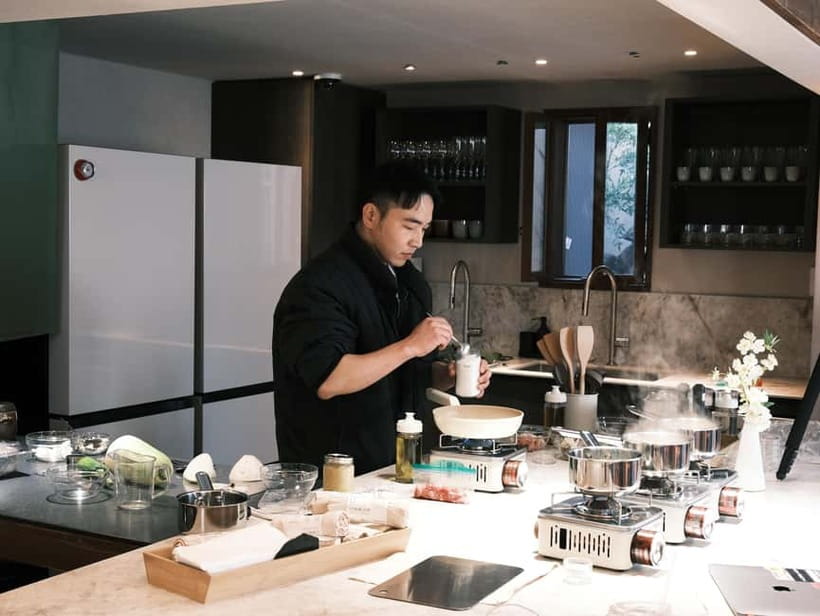
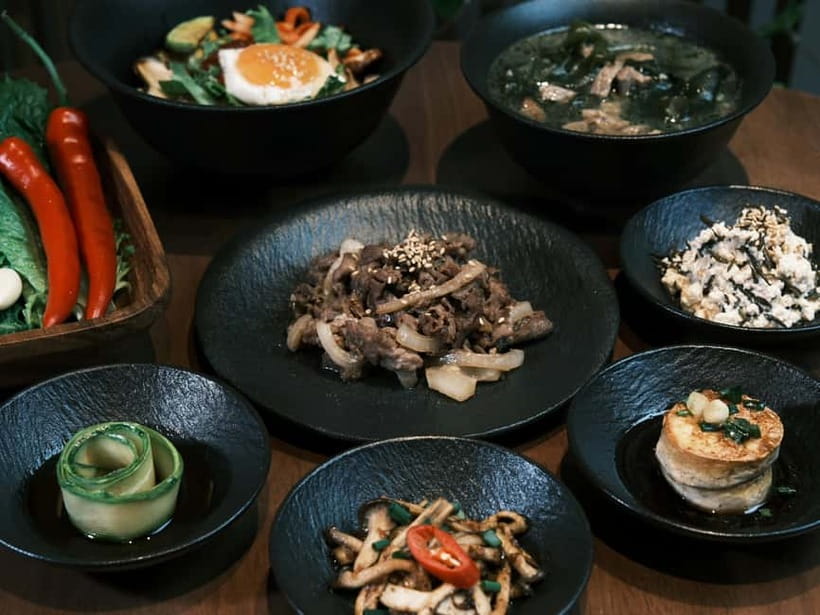
This Seoul cooking class turns a meal into the main event. At SOOP TABLE, Woody guides you through four side dishes, bibimbap, soup, and a main dish you choose yourself, then grills samgyeopsal for the table. It is a hands-on look at Korean home cooking, not a quick demonstration followed by a restaurant lunch.
I especially like the calm Hanok-inspired studio and the personal menu choices. You can learn several techniques in one sitting, hear about Korean food customs over tea, and leave with recipes sent by photo. The main drawback is the food policy: this class is not suitable for vegans, vegetarians, or people with food allergies.
Key points at a glance
- Choose your own soup and main dish: Each person selects from available options, so one group can taste several different Korean dishes.
- A full meal, not just one recipe: You prepare four side dishes, bibimbap, soup, and a main, then eat everything together.
- Woody teaches in a calm, patient way: The small group, capped at eight, allows time for questions and different cooking speeds.
- Samgyeopsal is prepared for you: Woody grills Korean pork belly and serves it with seasonal vegetables for lettuce wraps.
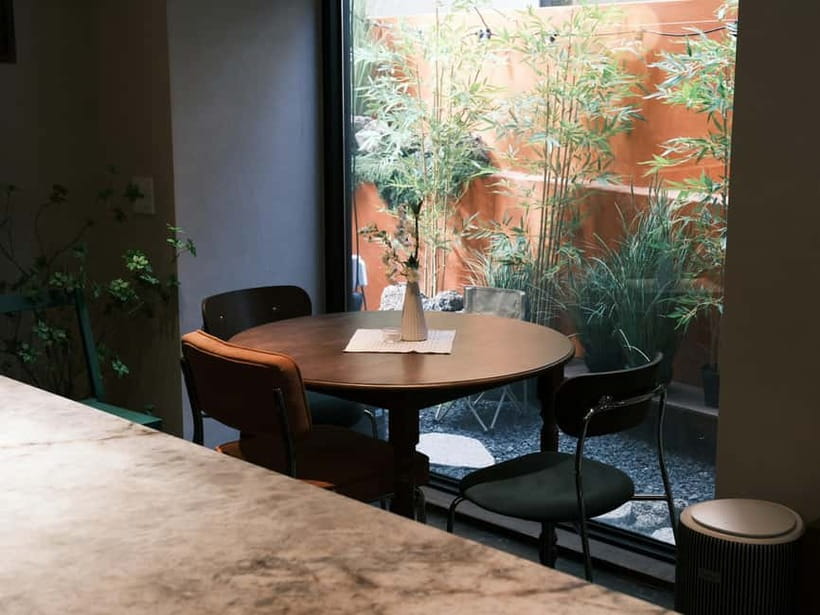
- The setting matters: The clean, carefully designed Hanok-inspired studio feels more like a welcoming home kitchen than a classroom.
- You get useful takeaways: A digital recipe is sent afterward, and a small souvenir is included.
Entering SOOP TABLE for tea and conversation
The experience begins at SOOP TABLE, The Hansik Atelier, a Korean-style cooking studio in Seoul. The first few minutes are deliberately gentle. You settle in with traditional Korean tea while Woody introduces the food culture behind the meal.
That opening is useful because Korean cooking can seem complicated when you first see a table crowded with small dishes. The tea gives you time to understand the basic idea of a Korean meal: rice, soup, main dishes, and several banchan, or side dishes, served together.
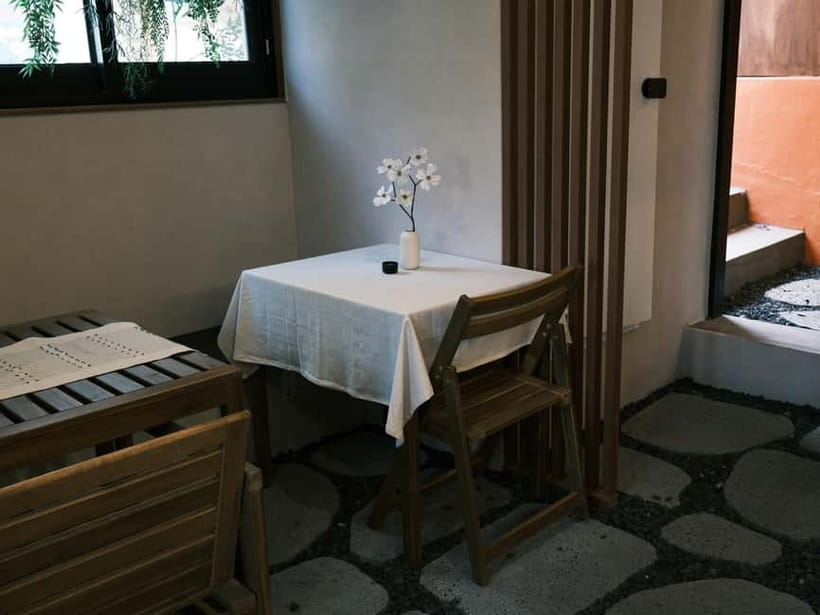
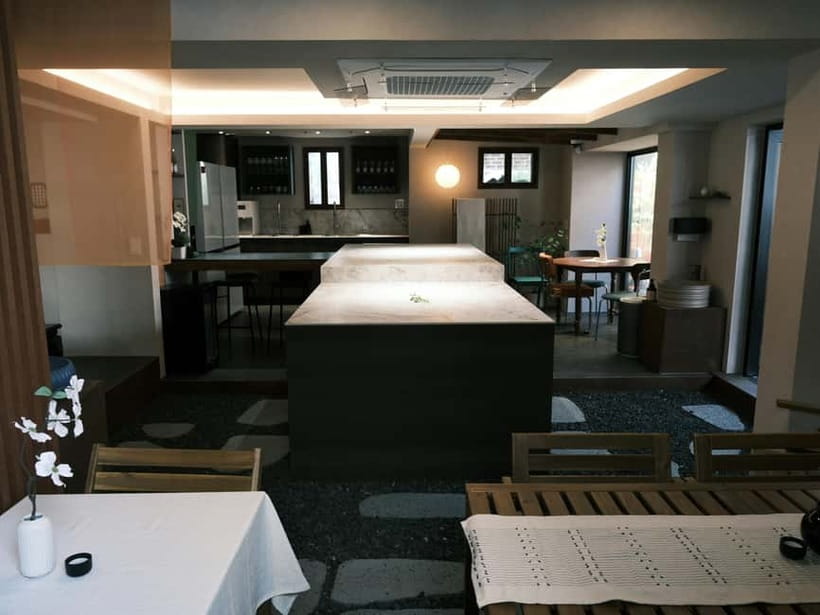
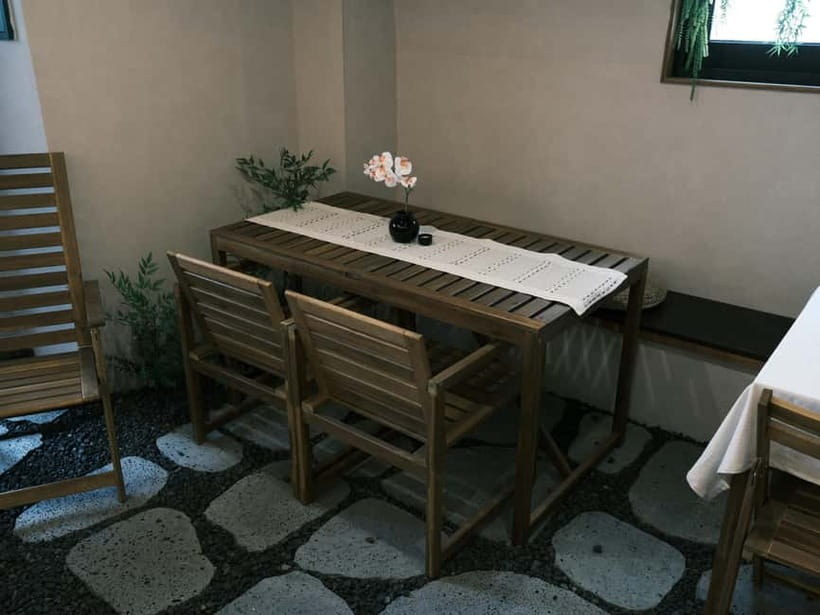
The room is designed in a Hanok-inspired style, with a warm, quiet feel. The studio is also described as modern and spotlessly clean, with good utensils and quality ingredients. Soft background music and a calm pace help keep the class from feeling rushed.
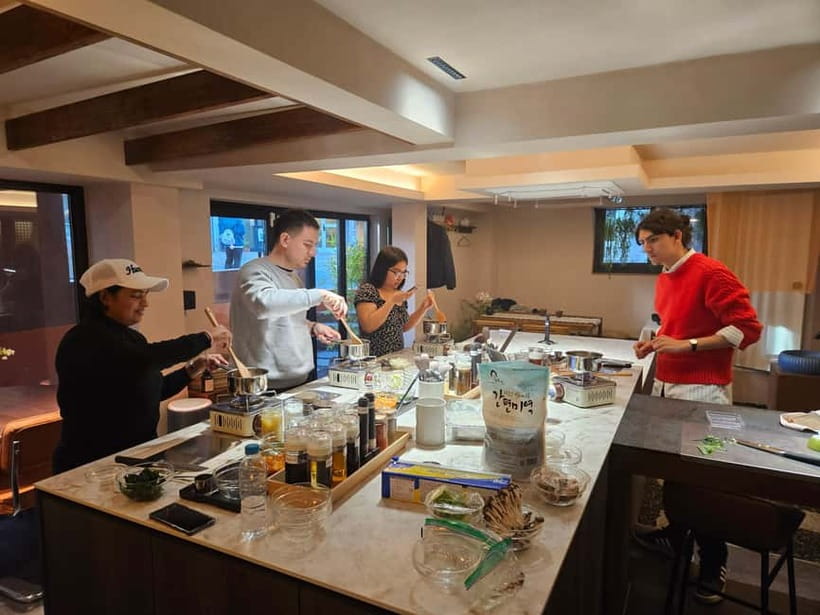
I like that the room is part of the experience, rather than an afterthought. This is not a large commercial kitchen where you stand in rows and watch a teacher at the front. With no more than eight people, Woody can keep an eye on each person and adjust the pace when needed.
More cooking classes around Seoul:
- Local Home Korean Cooking Class & Market Adventure in Seoul
★ 5.0 · 1,024 reviews - Master Korean traditional cooking with a Kimchi chef
★ 5.0 · 385 reviews - Seoul: Korean Cooking Class at a Local Home and Market Tour
★ 5.0 · 348 reviews
Four side dishes show how Korean meals come together
The cooking starts with the smaller dishes. You prepare four side dishes using fresh ingredients and traditional methods, with Woody explaining what each ingredient does and how the dishes fit into a Korean meal.
Banchan are valuable to learn because they teach you more than four isolated recipes. They show how Korean food balances flavors, textures, color, and heat across the table. One dish might be seasoned and fresh, another savory, another spicy or lightly sweet. Together, they make the meal feel varied without requiring a separate main course for every person.
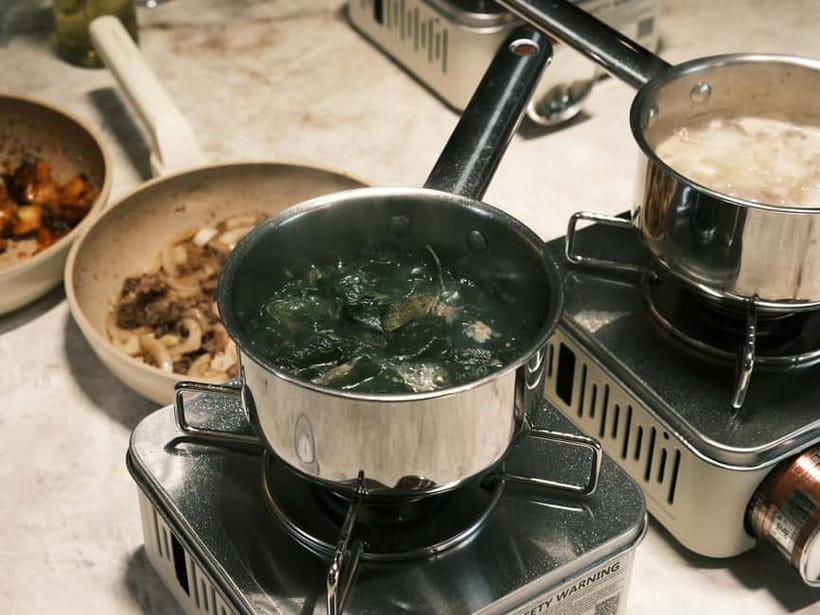
The process is hands-on. You are not simply watching Woody chop and stir while you wait for lunch. You use the tools and ingredients yourself, with step-by-step guidance in English. No previous cooking experience is needed, and the class is structured so that beginners can keep up.
The four side dishes also make the class a good choice for a family or mixed-ability group. One person may already cook often, while another may be completely new to Korean food. The instructions are simple enough for beginners, but there is still plenty to notice if you enjoy cooking.
Bibimbap becomes your plated centerpiece
Bibimbap is another central part of the meal. You prepare the components and arrange your own bowl, which gives you a clear lesson in Korean presentation as well as flavor.
This is one of the most satisfying parts of the session because the final bowl is visibly your work. Bibimbap is not just about putting ingredients over rice. The appeal comes from the arrangement, the contrast of colors, and the way everything combines when mixed.
Woody gives you guidance on the preparation and plating, so you do not need to arrive knowing Korean cooking terms or techniques. The finished dish also gives you something practical to recreate at home, especially with the recipe photo sent after the class.
You will want to arrive hungry. Four side dishes and bibimbap already make a substantial meal, and soup, a main dish, pork belly, and dessert are still ahead.
Pick a soup and main dish that suit you
One of the best details here is that each person chooses a soup and a main dish from the available options. The choices have included three options for each category, though the exact selection can vary.
This personal menu makes the class work well for small groups with different tastes. You are not locked into one dish chosen for the entire room. If you are curious about one soup while someone in your group wants to learn a particular main, you can make different selections and taste across the table.
Past classes have included dishes such as bulgogi, dakgalbi, and other well-known Korean meals. Bulgogi has earned particular praise for its flavor, while other sessions have featured hotteok as a dessert activity. The exact menu is not stated as fixed, so you should treat these dishes as examples rather than promises.
The choice also adds a useful element of comparison. You get to learn your own dish closely, then sample what others made. That gives you a broader sense of Korean cooking than a class where everyone follows one recipe.
Woody’s teaching style is a strong part of this section. He grew up learning from his mother, a Korean food artisan, and later traveled widely while exploring food and culture. In the kitchen, that background comes through in the attention to ingredients, customs, and practical steps.
Same kitchen, a different dish:
- Seoul: Korean Cooking at Seoul Cooking Club!
★ 5.0 · 311 reviews - Seoul: Taste of Korea, Authentic Home Style Cooking Class
★ 4.9 · 166 reviews - Seoul: Royal Seoul Cooking Class in a 100-Year-Old Hanok
★ 5.0 · 96 reviews - Seoul: Kimchi Dishes Cooking Class with Wine Pairing
★ 4.7 · 38 reviews
Watch Woody grill samgyeopsal for the table
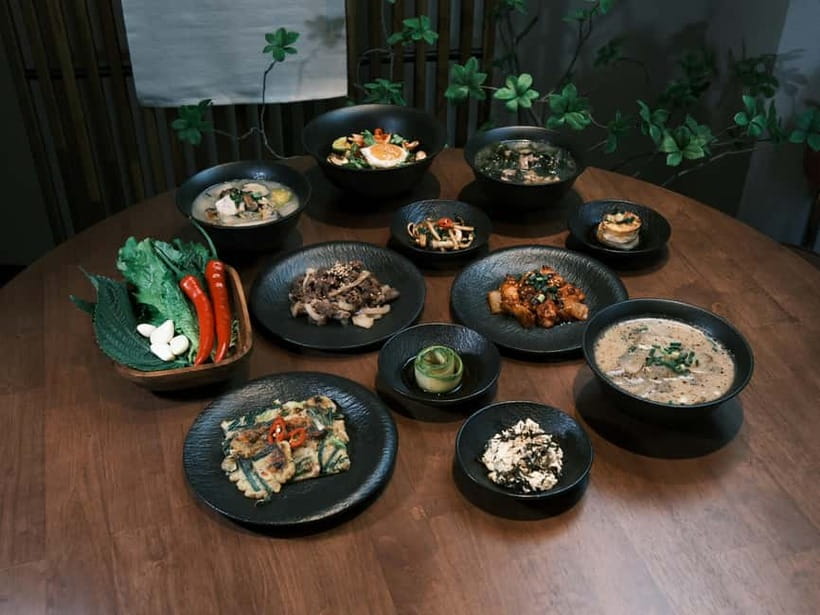
The class includes one dish you do not prepare yourself: Woody grills samgyeopsal, or Korean pork belly, and serves it with fresh seasonal vegetables for ssam, the lettuce-wrap style of eating.
This is a smart addition. It gives you a break from active cooking and shows how a Korean home-style meal can include food cooked fresh at the table. You can place pork and vegetables into lettuce, add the accompanying flavors, and eat it by hand.
It also keeps the meal from feeling like a collection of classroom exercises. You have made most of the food, but Woody contributes something from his own cooking, too. The result is a shared table with both your work and his.
A glass of traditional Korean distilled liquor is included for adults, along with filtered water. Extra alcoholic drinks cost more, and the included glass is the only alcohol listed as part of the experience.
Sit down for the meal you prepared
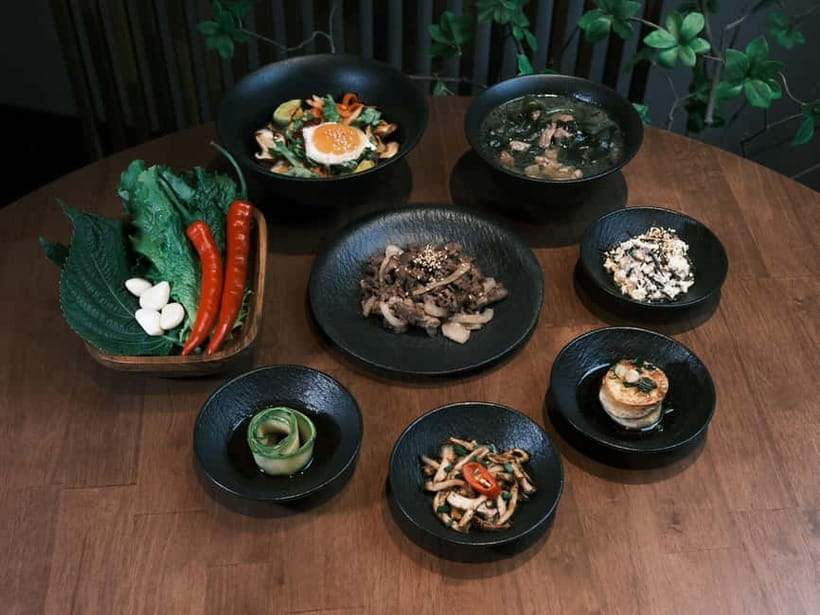
After the cooking, you sit together and eat at a relaxed pace. This is where the separate parts of the class make sense: the side dishes, bibimbap, soup, main dish, pork belly, and vegetables all become one Korean meal.
The shared meal also creates time for conversation with Woody. He is happy to discuss Korean food, cooking customs, and local recommendations. The atmosphere is friendly rather than formal, and the small group makes it easier to ask questions.
A simple Korean dessert finishes the class. Hotteok has been prepared in some sessions, but the exact dessert can change. The important point is that you do not leave immediately after the main meal. There is a final sweet course and time to sit, talk, and let the experience settle.
This relaxed ending is worth noting. Many cooking classes rush people out once the food is served. Here, the meal is treated as part of the lesson. You learn how Koreans share food, not just how to follow a recipe.
What the four-hour schedule means for your day
The total duration is 210 minutes, or three and a half hours. That is a sizeable block in a Seoul sightseeing schedule, but it is justified by the number of dishes and the time spent eating afterward.
You should avoid placing this class between two tightly timed attractions. Cooking several dishes from scratch requires a patient pace, and the class is designed to let people work without feeling hurried.
The small group limit of eight is important. It keeps the instruction personal and makes the meal more social. It also means the experience may feel less predictable than a quick demonstration. Different people work at different speeds, and the class allows for that.
Wear comfortable clothes. An apron and all cooking tools are provided, but you will be active in the kitchen for much of the session. The class is conducted in English and Korean, with English guidance available throughout.
Transportation is not included, so you need to make your own way to SOOP TABLE. The meeting point is listed as SOOP TABLE, The Hansik Atelier. Check the exact starting time and directions when you book.
Is the $89 price good value?
At $89 per person, this is not the cheapest way to eat Korean food in Seoul. A restaurant meal will cost less, and you can certainly try bibimbap, bulgogi, pork belly, and soup across several inexpensive meals.
The value here comes from the amount of instruction and the variety of food. You are getting 210 minutes, a welcome tea, a full cooking class, all ingredients, kitchen equipment, the meal, grilled samgyeopsal, a dessert, one adult drink, a souvenir, and a recipe photo afterward.
I also think the individual menu choices make the price stronger. You are not paying for a single group recipe. Each person selects a main and soup, which lets you explore several dishes when you share the finished food.
The experience makes the most sense if you care about food and want skills to take home. If you only want a meal, a restaurant is better value. If you want to understand how the meal is built and practice the steps yourself, the price is reasonable for a small class in Seoul.
Who should book, and who should skip it
I would recommend this class to food-focused visitors, couples, families with older children, and small groups who enjoy sitting down together after an activity. The class has welcomed a 14-year-old participant, but children under 10 are not permitted.
It is also a good fit for people who want a quieter activity. The room, music, tea, and patient instruction create a slower change of pace from Seoul’s busy streets.
You should skip it if you are vegan or vegetarian. It is also not suitable for people with food allergies, and there is no stated allergy-adaptation policy. Anyone who dislikes pork, meat, or shared food may find the menu limiting.
Bring an open appetite and comfortable clothing. You do not need cooking experience, but you should be ready to participate rather than sit back and watch.
Booking details worth knowing
Free cancellation is available up to 24 hours before the class for a full refund. You can also reserve now and pay later, which helps if your Seoul schedule is still changing.
The class is available in English and Korean. Translation support in other languages is not included, so English speakers will get the clearest benefit from the instruction.
Food containers are not provided for leftovers. You should plan to eat the meal at the studio rather than count on taking extra food away. Handmade craft items are available for purchase at the venue, but they are not part of the class price.
The small souvenir and recipe photo are useful finishing touches. The recipe image is especially practical if you want to try the dishes again after returning home.
Should you book this Seoul cooking class?
Book it if you want more than a tasting menu. Woody’s class gives you a full Korean meal, real participation, personal menu choices, and time to understand the customs behind the food.
The strongest reasons to go are the small group, the peaceful studio, the broad menu, and the calm instruction. The main reasons to hesitate are the three-and-a-half-hour commitment, the meat-focused menu, and the lack of allergy or vegetarian suitability.
For an authentic food-centered afternoon in Seoul, I think SOOP TABLE is a strong choice. Arrive hungry, wear comfortable clothes, and choose your soup and main with curiosity. You will leave with a full stomach, a few recipes, and a better sense of how Korean home dining works.
FAQ
Where does the cooking class take place?
The class takes place at SOOP TABLE, The Hansik Atelier, in Seoul.
How long does the experience last?
The experience lasts 210 minutes, or three and a half hours.
How many people can join the class?
The group is limited to eight participants.
Is the class taught in English?
Yes. The class is offered in English and Korean, with guided instruction in English.
What food will I prepare?
You will prepare four side dishes, bibimbap, one soup or stew, and one main dish of your choice.
Is samgyeopsal included?
Yes. Woody grills Korean pork belly and serves it with fresh seasonal vegetables for lettuce wraps.
Are cooking ingredients and equipment provided?
Yes. Ingredients, an apron, and all cooking tools are included.
Is the class suitable for vegetarians, vegans, or people with food allergies?
No. The activity is not suitable for vegans, vegetarians, or people with food allergies.
New cooking classes around Seoul
- Seoul: Korean Kimchi Cooking Class in the Heart of the City★ 5.0 · 3 reviews
- Seoul: Premium Korean Feast Cooking Class★ 5.0 · 3 reviews
- Seoul: Taste of Korea, Authentic Home Style Cooking Class★ 4.9 · 166 reviews
- (Seoul) Korean Cooking Class with a Professional Chef★ 5.0 · 14 reviews
- Seoul: Korean Home Visit, Cooking & Cultural Experience★ 5.0 · 2 reviews
- Seoul: Korean Cooking Class with Local Grocery Shopping★ 5.0 · 13 reviews
- Seoul: Cooking Class and Tour with Michelin-Trained Chef★ 5.0 · 11 reviews
- Seoul: Authentic Korean Cooking Class and Market Tour★ 5.0 · 6 reviews
Seoul Cooking Classes, side by side.
Local Home Korean Cooking Class & Market Adventure in Seoul
Read our review →
Master Korean traditional cooking with a Kimchi chef
Read our review →
Seoul: Taste of Korea, Authentic Home Style Cooking Class
Read our review →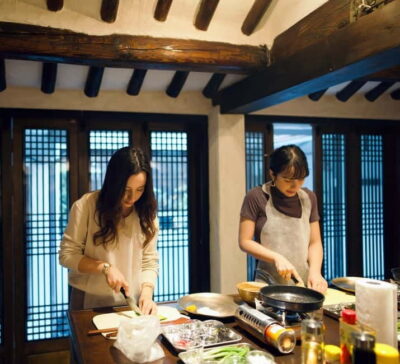
Seoul: Royal Seoul Cooking Class in a 100-Year-Old Hanok
Read our review →
Seoul: Kimchi Dishes Cooking Class with Wine Pairing
Read our review →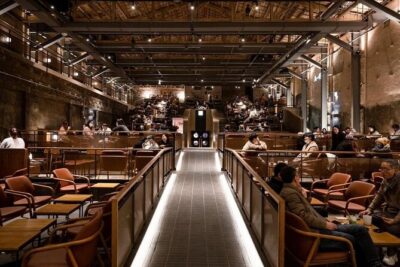
Seoul: Temple Vegan Cooking Class & Oriental Medicine Tour
Read our review →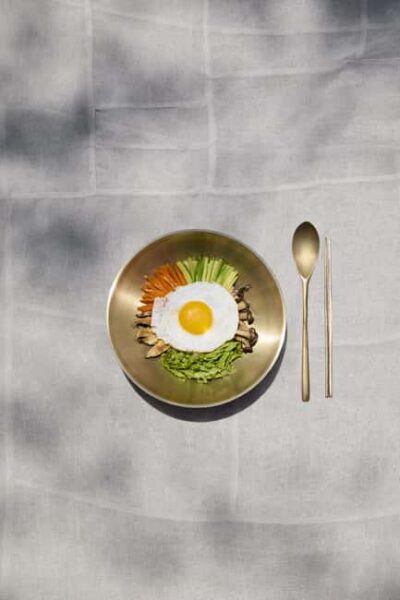
Seoul: Experience Korean Cooking in Modern Hanok Kitchen
Read our review →This kitchen also appears in