
Review · KYOTO
Gyoza Cooking Class in Kyoto: Traditional Japanese Dumplings
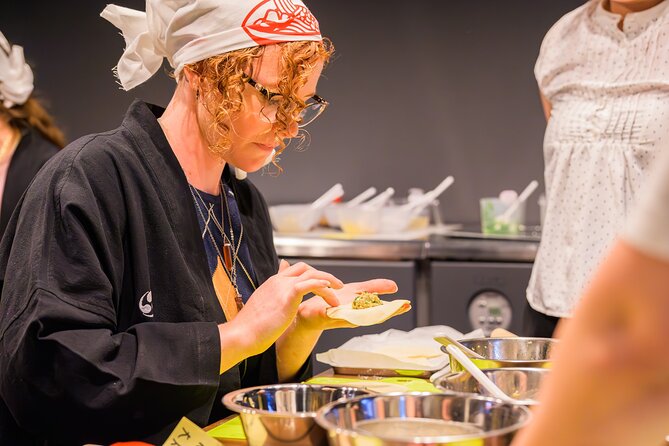
The best part of this Kyoto class is that you do not simply eat gyoza, you learn how the dumpling comes together. You select fillings, shape the wrappers, cook your own batch, and sit down to eat the results while they are fresh from the pan. I like the hands-on format and the fact that you leave with the recipe, not just a full stomach.
I also like the friendly, patient teaching, especially for beginners and families. Hama has been singled out as a kind and entertaining teacher, and one family group found the class worked well for children. The main consideration is timing: 90 minutes is enough for a focused lesson, but this is a compact workshop rather than a long cooking course or full meal.
Key points to know before booking
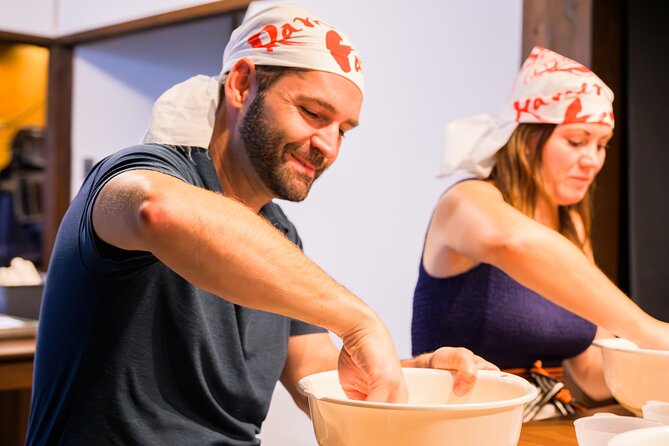
- Make and cook your own gyoza: You prepare fillings, learn folding techniques, cook the dumplings, and eat what you make.
- Choose your filling style: Meat and vegetable options are available, and dietary needs should be shared in advance.
- English and Japanese instruction: The class is suitable for beginners, with clear guidance throughout the process.
- Convenient Kyoto location: The school is about a five-minute walk, or 362 meters, from Exit 2 of Karasuma Oike Station.
- A useful souvenir: You receive the complete recipe so you can recreate the dumplings at home.
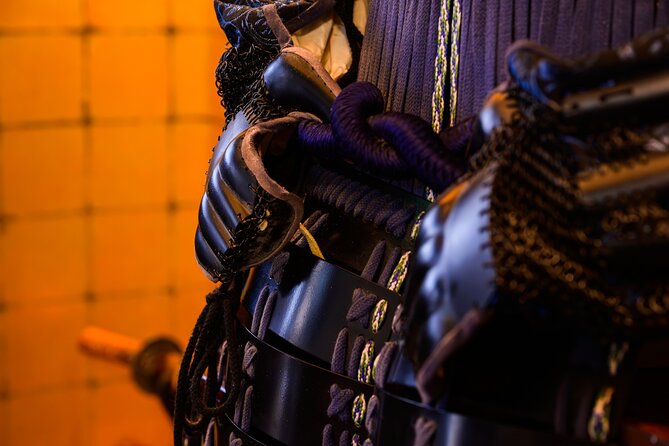
- A playful cultural extra: The experience includes the chance to take a photo with a samurai.
What the 90-minute Kyoto gyoza class is really like
This is a short, practical cooking workshop built around one of Japan’s most familiar comfort foods. Gyoza are filled dumplings, usually cooked so the bottom becomes crisp while the upper part stays tender. The pleasure comes from the contrast between the browned base, soft wrapper, and savory filling.
You will work with an English-speaking instructor, with Japanese also available. The teaching is designed for mixed ability levels, so you do not need to arrive with knife skills or dumpling-making experience. That matters in a class this short: the instructor’s job is to keep the pace moving without leaving beginners behind.
The class combines cooking with small pieces of cultural background. You learn not only how to fold and cook the dumplings, but also something about the place gyoza holds in Japanese food culture. The samurai photo adds a light, memorable touch, especially if you are looking for an activity that feels more distinctive than a standard restaurant meal.
More Chinese Cooking Classes around Kyoto:
- Warsaw’s No 1 cooking class-Polish dumplings with liqueur tasting
★ 5.0 · 576 reviews - Xiao Long Bao, Beef Noodles & Boba Tea Cooking Class in Taipei
★ 5.0 · 159 reviews - Xiao Long Bao, Chicken vermicelli with mushroom and sesame oil, Tofu strips salad, Bubble milk tea. Taiwan Traditional Delicacies Experience-A (Taipei Cooking Class)
★ 5.0 · 79 reviews
Starting near Karasuma Oike Station
The meeting point is near Karasuma Oike Station in central Kyoto. It is about 362 meters from the station and roughly a five-minute walk from Exit 2. That is useful when you are building the class into a busy sightseeing day, since you can reach it by either the Karasuma Line or the Tozai Line.
You will need to pay for your own transportation. No transport is included, but the central subway location keeps this simple. Check the exact starting time when you book, then allow enough time to find Exit 2 and walk over without rushing.
Karasuma Oike is a practical place for an evening class. One participant used the activity as dinner after arriving by train, which is a sensible plan if you want to turn the cooking session into your evening meal. Since the class lasts 90 minutes, you still have room to continue exploring Kyoto afterward, depending on your start time.
Choosing fillings and learning the preparation
The first stage focuses on ingredients and fillings. You can choose from meat and vegetable options, then learn how the filling is prepared and adjusted to taste. This customization is a strong feature because you are not simply copying a fixed recipe without understanding it.
If you need a vegetarian option or have an allergy, tell the provider in advance. One participant requested a vegetable choice and found it worked well, but you should not wait until the day of the class to mention dietary restrictions. The supplied information specifically asks you to provide those details ahead of time.
The class gives you the tools needed for cooking, so you do not need to bring equipment. That keeps the experience easy for visitors staying in hotels or small apartments. You can focus on the ingredients, the texture, and the folding rather than worrying about what to pack.
A useful detail comes from one family’s experience: the group included two children aged 11, and the activity worked well for them. Still, children will need to follow instructions around food preparation and cooking. The class can be a good family activity, but it is not a drop-in play session.
Folding gyoza without losing your patience
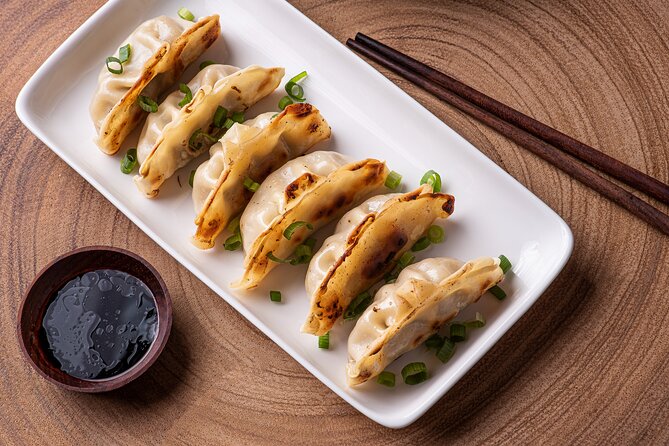
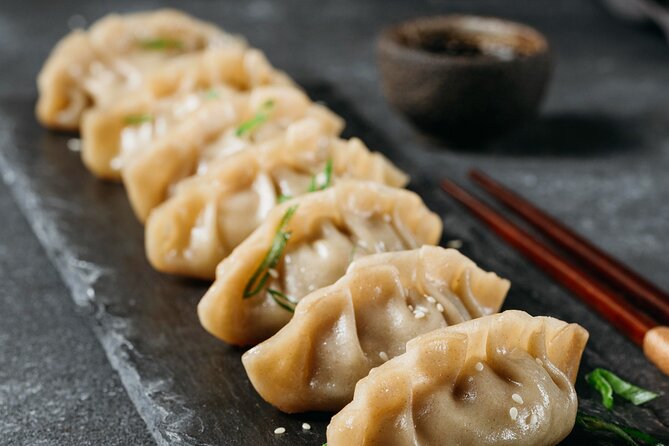
Folding is where the class becomes interactive. You place the filling into the wrapper and learn how to seal the dumpling with the proper pleats. The technique looks simple once an instructor demonstrates it, but the first few dumplings may not look identical. That is part of the fun.
I like that the class treats the folding process as a skill rather than a decorative trick. A well-sealed dumpling is less likely to open during cooking, and the folds help create the familiar shape. You also get to see how small changes in filling quantity or wrapper placement affect the finished dumpling.
Beginners should expect a few uneven shapes. That is not a problem. Your goal is to learn a repeatable method, and the instructor can guide you through the awkward first attempts. The reported teaching style is patient and clear, with Hama receiving particular praise for being friendly, sweet, and a good teacher.
The workshop also appears to work for different group sizes. One booking involved eight people, including children, while another person received what amounted to a private lesson. The exact group arrangement may vary, so do not assume you will have a one-to-one class, but the teaching format can accommodate both larger and smaller groups.
More cooking classes around Kyoto:
- Ramen Cooking Class at Ramen Factory in Kyoto
★ 5.0 · 1,937 reviews - Kyoto: Ramen Cooking Class at a Ramen Factory with Souvenir
★ 4.9 · 532 reviews - Kyoto: Ramen, Gyoza, and Onigiri Cooking Class
★ 5.0 · 445 reviews - Kyoto: Japanese Washoku Bento Small Group Cooking Class
★ 5.0 · 380 reviews
Cooking the dumplings and eating the results
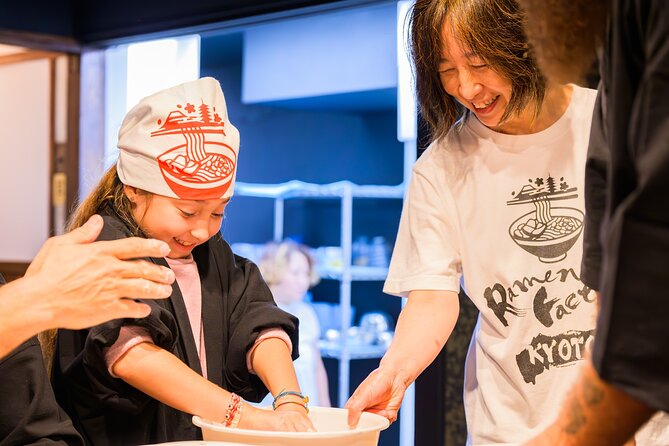
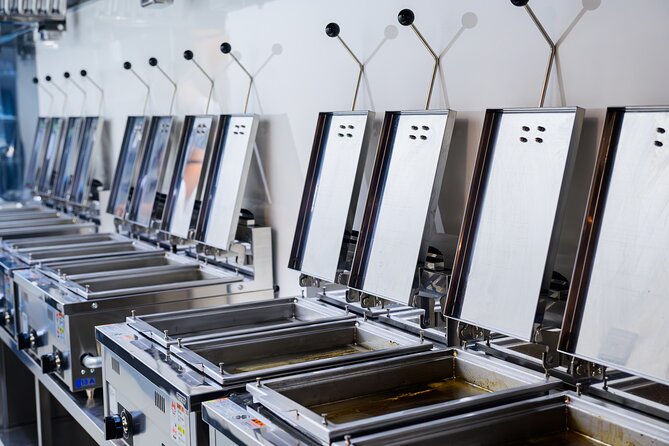
After shaping the gyoza, you cook them yourself. This is the payoff of the class, but it is also where the technique becomes practical. You see how the dumplings change in the pan and learn the final step needed to produce a crisp exterior and juicy center.
The finished food is included, along with one free drink. You eat the gyoza made during the class rather than receiving a separate restaurant plate. That makes the activity feel more like a small meal and less like a demonstration where someone else does the important work.
Several people found the finished dumplings particularly satisfying. One described them as crisp outside and juicy inside, even comparing them favorably with dumplings eaten in restaurants. That result will depend partly on your own folding and cooking, but the class gives you a chance to understand what creates the texture.
Do not book this expecting a large multi-course dinner. The supplied details promise the gyoza you make and one drink, not a broader Japanese meal. If you have a big appetite, plan another snack or meal around the class.
The samurai photo and the cultural side
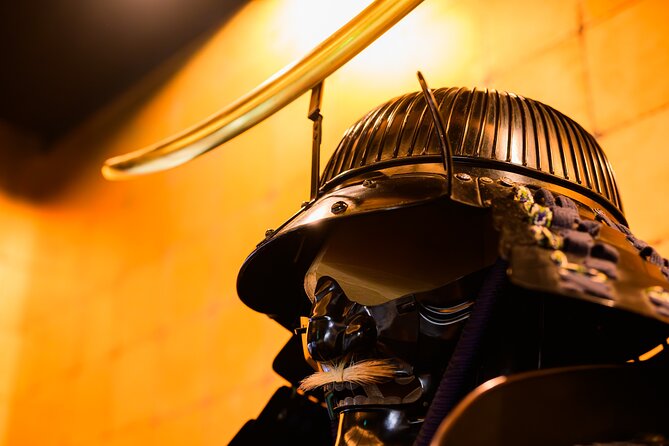
The samurai photo is an unusual extra. It gives the workshop a visual souvenir and adds a touch of Kyoto character to an activity that is otherwise centered on food. It may appeal especially to families and anyone who wants a photograph beyond the usual temple and street scenes.
The cultural content is not separate from the cooking. As you work, you hear stories connected with gyoza and Japanese food traditions. The information does not suggest a long lecture, so expect brief context woven into the lesson rather than a formal history presentation.
That balance works well for a 90-minute class. You get enough explanation to understand what you are doing, but most of the time is spent handling ingredients and cooking. If you want an academic food-history seminar, this will feel light. If you want to learn a useful dish while getting a small cultural window into Japan, the balance is better suited.
Is $127 a fair price?
At $127 per person, this is not a bargain meal. You are paying for instruction, kitchen equipment, ingredients, the finished gyoza, one drink, the recipe, and the organized cultural experience. The value depends on whether you see the class as dinner or as a souvenir skill you can use again.
Compared with simply ordering gyoza at a restaurant, the price is high. A restaurant meal is cheaper and requires no work. The class earns its cost through participation: you learn the preparation, try the folds yourself, receive guidance in English or Japanese, and take the recipe home.
I think the price makes more sense for visitors who value shared activities over passive sightseeing. It is also easier to justify if you are traveling with children, want an evening activity, or plan to cook Japanese food after returning home. The recipe gives the class a life beyond your Kyoto stay.
The short duration helps keep the commitment manageable. You are not giving up half a day, and you do not need to arrange transportation to a distant cooking school. Still, anyone focused mainly on getting the cheapest dinner should choose a restaurant instead.
Who will enjoy this class most?
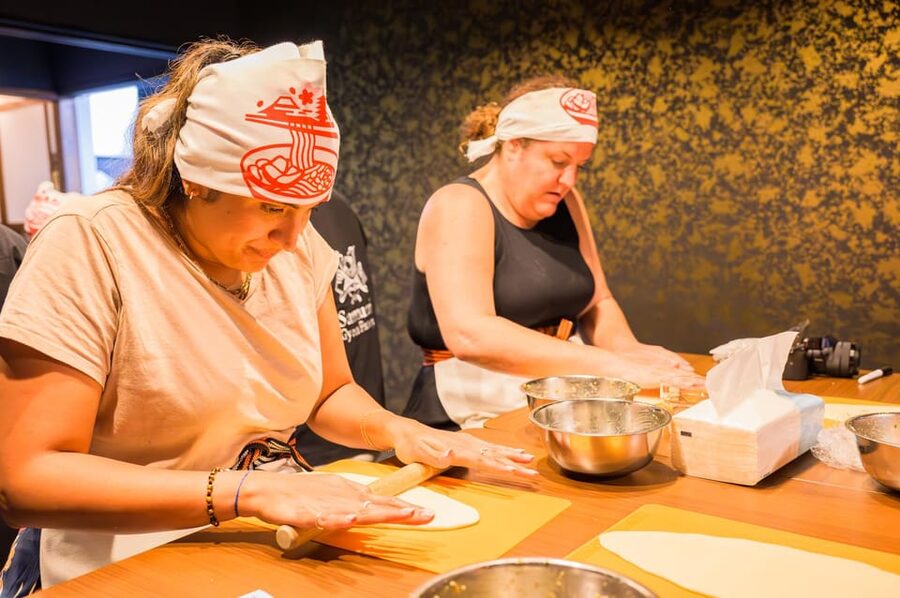
This class suits complete beginners because the instructor guides you through each stage. It also works for people who already cook and want to learn authentic wrapping and cooking methods. The format lets you adjust the filling and practice the technique rather than simply watching a professional.
Families can consider it as a hands-on evening activity. The experience worked for children around age 11 in one group, and the fun of shaping food can hold attention better than a long explanation. Parents should still make sure children can follow cooking instructions.
It is also a good choice for solo visitors and couples who want a social activity without committing to a full-day tour. A small group can make the lesson feel personal, while a larger booking offers a shared project. The available information does not promise a specific group size, so book with an open mind about the class setup.
This is not suitable for wheelchair users, according to the activity information. If mobility access is important for your plans, you should choose another cooking experience.
Practical details that make the difference
The class is offered in English and Japanese. English-speaking instruction is included, which removes a major worry for visitors who want to understand the cooking steps rather than copy movements silently.
Cooking tools are provided. You only need to arrive at the meeting point and share allergies or dietary restrictions ahead of time. That last step matters, especially if you need a vegetarian filling or must avoid a particular ingredient.
The activity offers free cancellation up to 24 hours before the start for a full refund. You can also reserve now and pay later, which helps if your Kyoto schedule is still shifting. Check availability for the start times before planning your day around it.
Because the workshop lasts only 90 minutes, arrive ready to begin. The class is short enough to fit between sightseeing plans, but a late arrival could cut into the preparation and folding practice that give the experience its value.
My verdict on the gyoza workshop
I would choose this class if you want to do something with your hands in Kyoto and leave with a skill you can repeat at home. The strongest points are the active cooking, the patient instruction, the choice of meat or vegetable fillings, and the chance to eat dumplings you prepared yourself.
The price is the main hurdle, and the class does not replace a full restaurant dinner. But the recipe, drink, tools, cultural context, and finished food make it more than a simple cooking demonstration.
Book it if you are a beginner, a family, a couple, or a food lover who wants a compact Kyoto activity near a subway station. Skip it if you want a low-cost meal, need wheelchair access, or prefer a longer and more advanced culinary course.
FAQ
How long does the gyoza cooking class last?
The class lasts 90 minutes.
How much does the class cost?
The listed price is $127 per person.
Where does the class meet?
The meeting point is about a five-minute walk from Exit 2 of Karasuma Oike Station on Kyoto’s Karasuma and Tozai subway lines. It is approximately 362 meters from the station.
What languages are available?
The instructors speak English and Japanese. An English-speaking instructor is included.
What is included in the price?
Cooking tools, one free drink, the gyoza you make during the class, instruction, and the full recipe are included.
Can I request a vegetarian option?
Yes. Vegetable fillings are available, and you should inform the provider in advance about vegetarian needs, allergies, or other dietary restrictions.
Is transportation included?
No. You are responsible for your own transportation to and from the meeting point.
Can I cancel the booking?
You can cancel up to 24 hours in advance for a full refund. The activity also offers a reserve now and pay later option.
New cooking classes around Kyoto
- Nishiki Market Food Tour with Cooking Class★ 4.9 · 42 reviews
- Kyoto Udon & Tempura Cooking Class with Professional Chefs★ 3.8 · 3 reviews
- Kyoto: Morning Japanese Bento Cooking Class★ 5.0 · 149 reviews
- Kyoto: Wagashi (Japanese sweets) Cooking near Fushimiinari★ 5.0 · 40 reviews
- Kyoto Home Cooking Class &Supermarket tour near Fushimiinari★ 5.0 · 31 reviews
- Kyoto: Cooking class, learning how to make authentic sushi★ 4.2 · 9 reviews
- Kyoto: Authentic Sushi Making Cooking Lesson★ 5.0 · 103 reviews
- Kyoto: Afternoon Japanese Izakaya Cooking Class★ 4.9 · 241 reviews
Kyoto Cooking Classes, side by side.
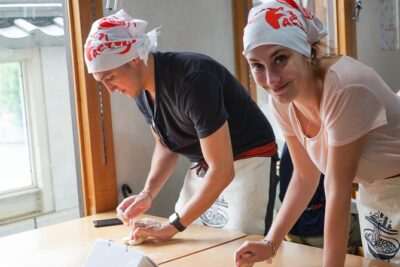
Ramen Cooking Class at Ramen Factory in Kyoto
Read our review →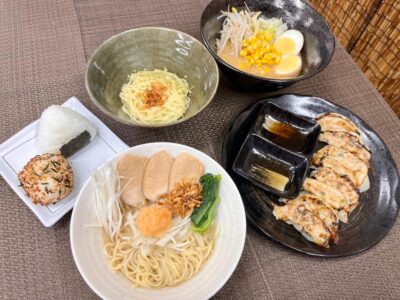
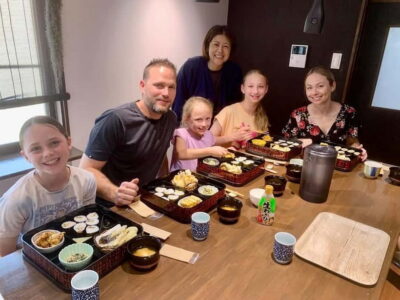
Kyoto: Japanese Washoku Bento Small Group Cooking Class
Read our review →
Kyoto: Afternoon Japanese Izakaya Cooking Class
Read our review →
Near Fushimiinari: Kyoto Home Cooking Class & Supermarket tour
Read our review →
This kitchen also appears in