
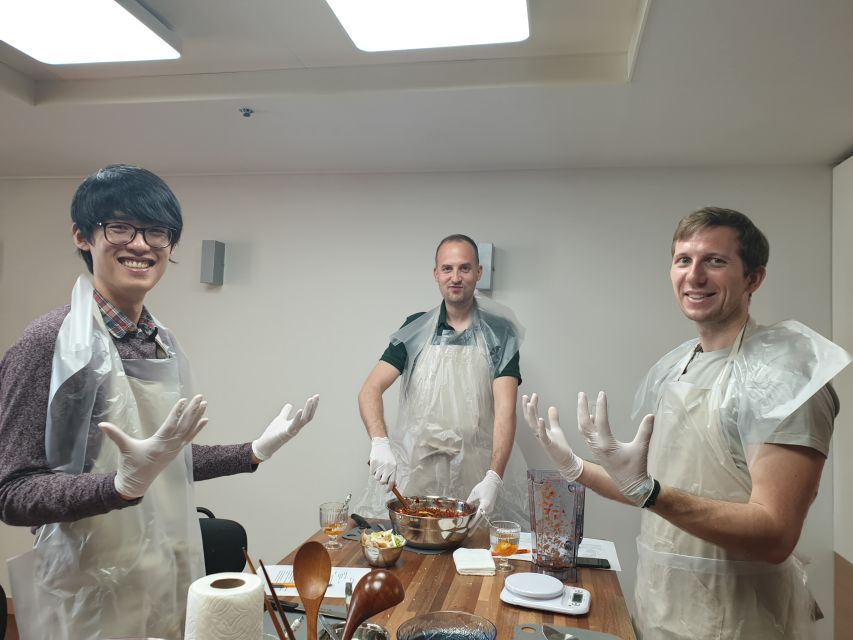
Review · KOREAN COOKING CLASSES
Busan: Small-Group Traditional Korean Food Cooking Class
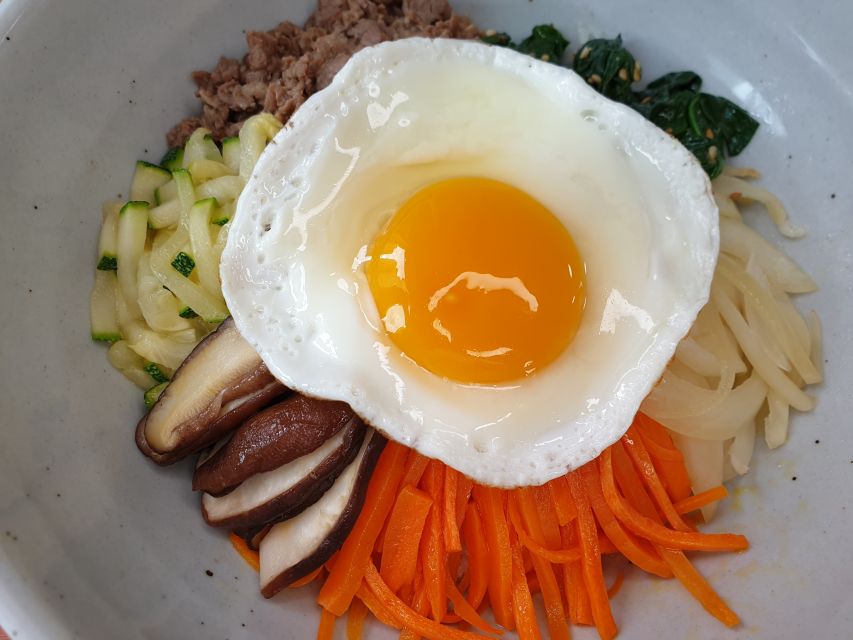
Korean food makes more sense once you have cooked it yourself. At this three-hour class near Haeundae Beach, you taste sauces, prepare bibimbap and other home-style dishes, then sit down to eat from your own Bapsang, a traditional personal dining table. Min leads many sessions, with clear English and plenty of background on Korean food and customs.
I like two things especially: the class turns familiar dishes into a real meal, not just a quick demonstration, and the small group keeps the lesson personal. The tea, dessert, recipes, certificate, and surprise gift add useful touches. The main consideration is the price, $98 per person, which is fair for a full meal and instruction but high if you mainly want a short cooking lesson.
- A three-hour hands-on lesson: Cook rather than simply watch, with ingredients, utensils, and an apron provided.
- Bibimbap plus other Korean dishes: Depending on the session, you may prepare seaweed and beef soup, Korean vegetable pancakes, and several condiments.
- Min as a warm English-speaking instructor: She explains each step, adds food history, and can offer Busan suggestions.
- A personal Bapsang meal: Arrange your finished food on a traditional low dining table and eat what you made.
- Tea and dessert at the finish: The class closes with a taste of Korean sweets and traditional tea.
- Easy access from Haeundae: The studio is a 10-minute walk from Dongbaek subway station and near the coast.
Cooking Korean Food Near Haeundae Beach
This class takes place in Hoabin Busan Haeundae, at Flat 2406, 37 Marine city 3-ro, U 1(il)-dong. It is a useful choice if you are staying around Haeundae, Marine City, or Dongbaek and want a food activity close to your sightseeing base.
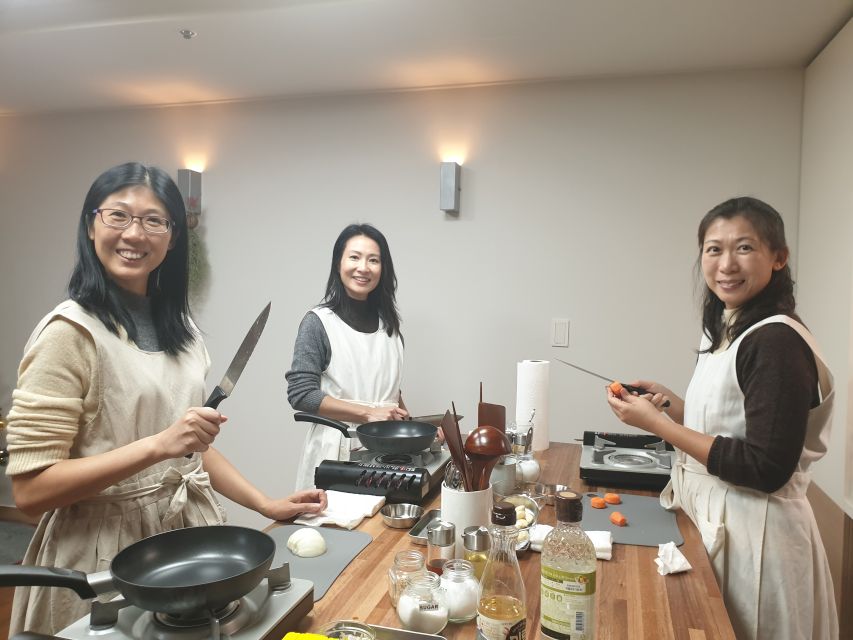
The setting is a bright cooking studio rather than a large commercial kitchen. That matters. A group limited to about nine participants, with the activity information allowing up to 10, gives you a better chance to see the instructor’s work, ask questions, and keep pace with the recipe.
You do not need to bring cooking equipment. Ingredients, utensils, an apron, water, and the meal are included. Wear something comfortable and easy to move in, though the provided apron should protect your clothes from most cooking splashes.
The class is wheelchair accessible. The meeting point is in an apartment-style building, so take a moment to confirm the exact building and flat number before you arrive.
Getting There From Dongbaek Station
The simplest route is Line 2, the green subway line, to Dongbaek Station. From Exit 1, allow about 10 minutes on foot. That is a manageable walk, but you should leave extra time if you are carrying luggage or are unfamiliar with Busan’s large apartment and commercial complexes.
By bus, you can get off at Daewoo Marina Apartment Stop, then walk about seven minutes. Routes listed for that stop include 139, 307, and 1003 from Busan Train Station. Another option is Dongbaek Stop, served by routes including 31, 38, 39, 40, 63, 100, 100-1, 115-1, 141, 181, and 200, followed by a walk of about 15 minutes.
No pickup or drop-off is included. That is not a serious problem if you are already touring Haeundae, but it makes the class less convenient if your hotel is across town and you are trying to fit in several unrelated sights the same morning.
More Korean Cooking Classes around the world:
- Local Home Korean Cooking Class & Market Adventure in Seoul
★ 5.0 · 1,024 reviews - Master Korean traditional cooking with a Kimchi chef
★ 5.0 · 385 reviews - Seoul: Korean Cooking Class at a Local Home and Market Tour
★ 5.0 · 348 reviews
Welcome Drink and Sauce Tasting
The class begins with a welcome drink and an introduction to the ingredients. This is a good start because Korean cooking depends heavily on the balance of sauces, seasonings, and fermented flavors. Instead of treating those ingredients as mysterious additions, you get to taste them before using them.
That tasting is one of the most useful parts for anyone who wants to repeat the dishes at home. You begin to understand how Korean meals build flavor through small amounts of several components rather than one heavy sauce.
The chef also explains the ingredients and the food culture behind them. Min is frequently the instructor, and her English is described as clear and easy to follow. She also explains the background of the dishes, so the session is about more than chopping and stirring.
The exact menu can vary. Bibimbap is the central dish named for the activity, but the recipes prepared in past sessions have also included miyeok guk, a seaweed and beef soup, and buchu jeon, a Korean chive or vegetable pancake. You may prepare three dishes in one class, though the supplied information does not promise the same menu every time.
Preparing Bibimbap and Home-Style Dishes
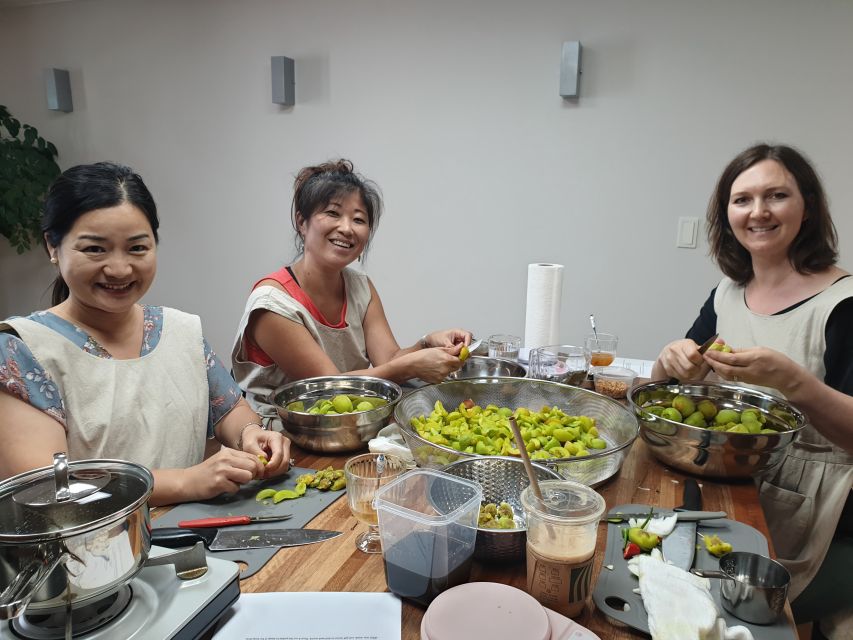
Bibimbap is a sensible centerpiece for a short cooking class. It is familiar to many people, but preparing it yourself reveals how much work goes into the finished bowl. You handle the vegetables, meat, rice, and seasonings, then bring them together into a meal that is colorful, filling, and easy to recreate.
The instructions are designed to be manageable within three hours. You follow the chef step by step rather than having to guess what comes next. That makes the experience suitable for first-time cooks, families, and anyone who enjoys food but does not feel confident in a kitchen.
The menu also gives you a wider look at Korean home cooking. Soup, a vegetable fritter, rice, sauces, and condiments show how a meal works as a group of smaller elements. You are not simply learning one restaurant dish. You are learning how several parts of a Korean table fit together.
I particularly like the practical value here. A recipe card helps you repeat the food after returning home, while the ingredient explanations give you clues about what to look for in a Korean market or specialty shop. The recipes are part of the package, not an extra purchase.
Sitting Down at Your Own Bapsang
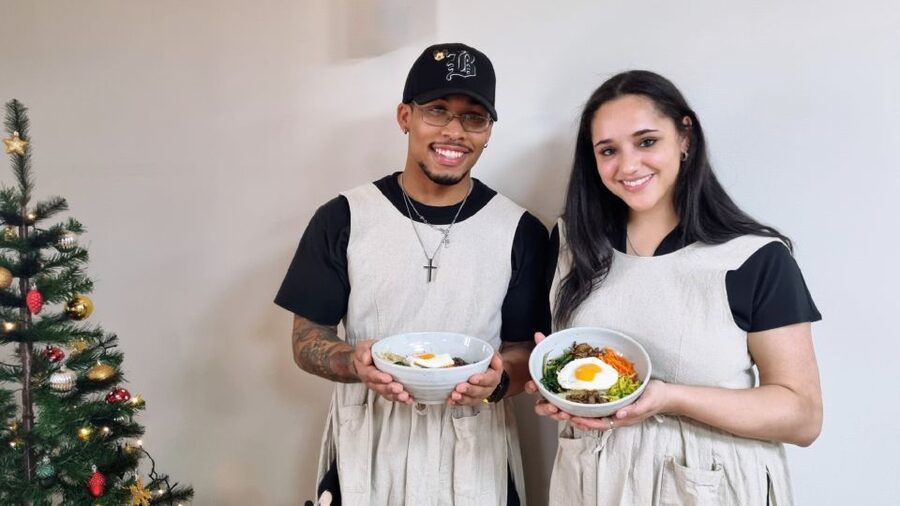
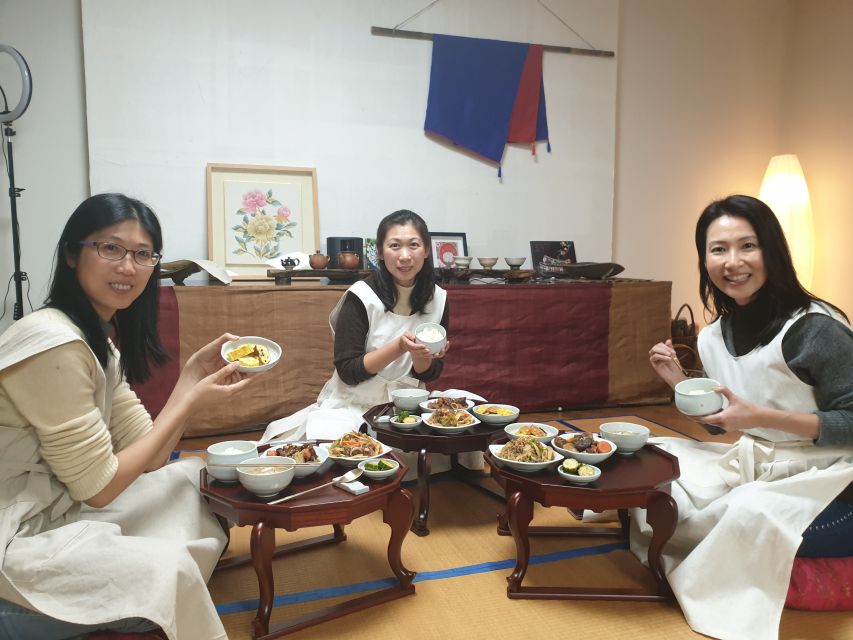
After cooking, you place the food on a Bapsang and eat it. A Bapsang is a traditional personal dining table, and this presentation changes the mood of the meal. You see the dishes arranged as a complete Korean table rather than as separate samples taken during a lesson.
The meal is included in the $98 price, along with dessert and water. You are eating the food you prepared, which gives the final meal a satisfying purpose. It also lets you taste the results while the steps are still fresh in your mind.
This is not the same as visiting a restaurant. You get the pleasure of a finished meal, but you also share in the work behind it. If you want a polished restaurant service with no cooking, this is the wrong format. If you enjoy learning through your hands, the meal is the payoff.
The class is social, but the group remains small. You cook alongside other participants, compare results, and share the table experience. That can be a plus for solo visitors who want a friendly activity, while couples and families get a shared project rather than another meal eaten across a restaurant table.
More cooking classes around the world:
- Half-Day Thai Cooking Class at Organic Farm in Chiang Mai
★ 5.0 · 19,087 reviews - Florence: Pasta Cooking Class with Unlimited Wine
★ 4.9 · 10,285 reviews - 3 in 1 Cooking Class near Navona: Fettuccine, Ravioli & Tiramisu
★ 5.0 · 7,376 reviews - Florence: Pasta & Tiramisu Cooking Class with Unlimited Wine
★ 4.9 · 6,708 reviews
Korean Tea and Dessert
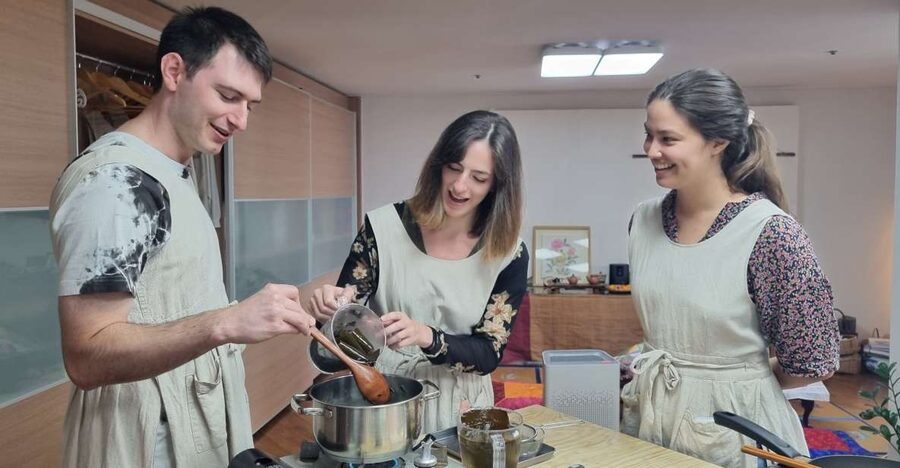
The final tea and dessert tasting gives the class a calmer finish. Korean sweets can be unfamiliar if your experience of Korean food has focused on barbecue, fried chicken, or noodles, so this is a useful chance to try a different side of the cuisine.
Dessert is included, and the session also includes traditional Korean tea. The precise tea and sweet are not specified, so you should treat this as a tasting rather than expect a fixed menu. The point is to finish the meal in a Korean style and leave with one more flavor memory than bibimbap alone would provide.
You also receive a certificate and a surprise gift. These are small additions, but they can be worthwhile if you are taking the class as a special holiday activity or with a child. The certificate is a keepsake, not a professional qualification.
What Makes Min’s Teaching Work
The instructor is one of the strongest reasons to choose this experience. Min is described as warm, organized, and easy to understand in English. She gives clear directions, explains the cultural background of each dish, and takes time to make the class comfortable for people from different food cultures.
She also offers suggestions about things to do in Busan. That is a useful bonus if this is your first visit, especially because the class takes place near Haeundae and Dongbaek. You should not book it solely as a sightseeing consultation, but local tips can help you plan the rest of the day.
The teaching style appears especially suitable for families. A 12-year-old has taken part successfully, with the food prepared step by step. Children still need supervision around heat and knives, but the format gives them an active role rather than asking them to sit quietly through a lecture.
English and Korean are available. If you need detailed help with food restrictions, contact the provider before the class rather than waiting until you arrive.
Vegan Requests and Food Expectations
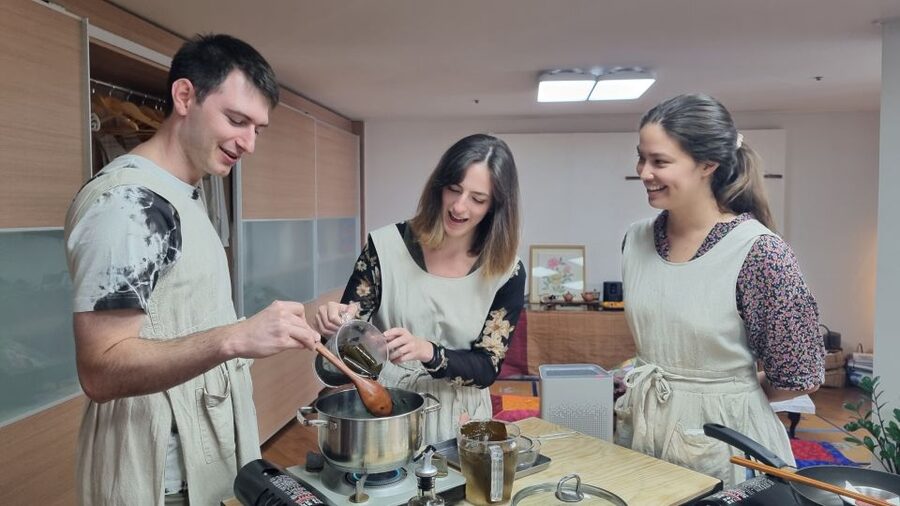
A vegan meal is possible, but you must request it when booking or at least 24 hours ahead. This is important because the standard menu can include meat, such as the beef in miyeok guk, and Korean sauces may contain ingredients that are not obvious at first glance.
The activity includes ingredients for the planned recipes, but it does not promise a fully customizable menu for every dietary need. Give clear information about allergies, vegan requirements, or other restrictions before the class so the proper ingredients can be prepared.
For everyone else, the class offers a useful balance of cooking and eating. You taste sauces, prepare the dishes, and then enjoy a full meal with dessert. It is not a snack stop disguised as a cooking class.
Is $98 a Good Value?
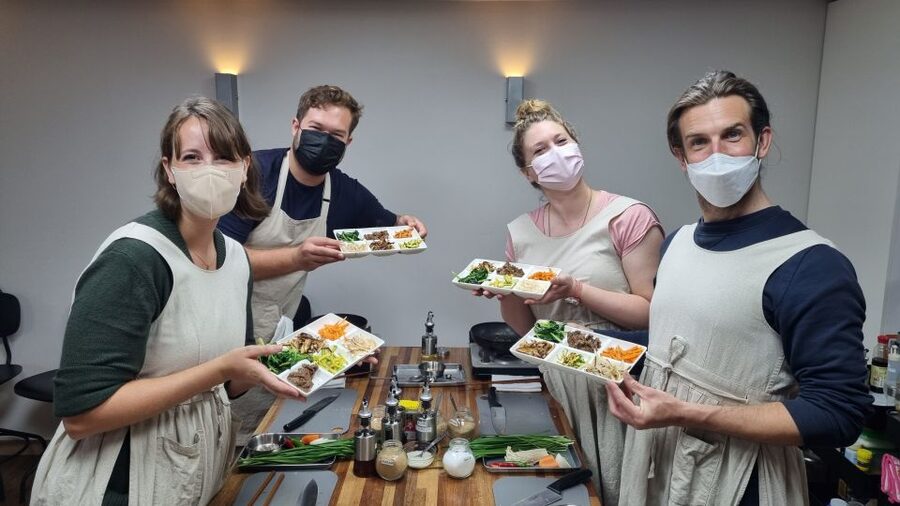
At $98 per person, this is not the cheapest food activity in Busan. The value depends on how much you want from the morning or afternoon. You receive three hours of instruction, ingredients, equipment, an apron, a substantial self-prepared meal, dessert, tea, water, recipes, a certificate, and a small gift.
I consider the price reasonable for someone who wants both a meal and a cultural lesson. The small group also matters. You are paying for access to an instructor who can guide you through each step, not just for ingredients on a table.
The price is harder to justify if you already know Korean cooking well, prefer to eat cheaply, or want a quick class lasting an hour or less. You might get better value from a local market visit or restaurant meal if your main goal is tasting rather than learning.
For a first visit to Korea, the class has a clear advantage: you leave with recipes and enough context to understand what you have eaten. That gives it more lasting value than one meal that disappears as soon as the bill is paid.
Who Should Book This Busan Cooking Class?
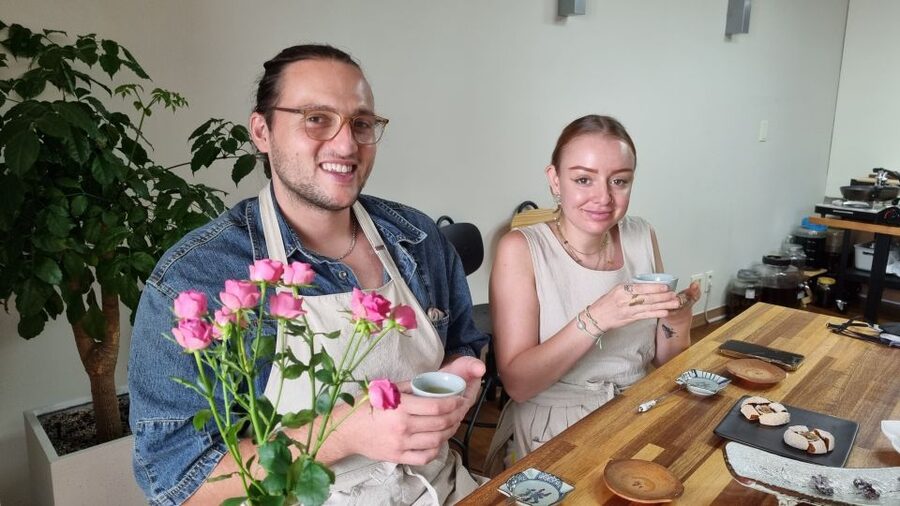
I would recommend it to you if you enjoy food, want a hands-on activity, and have a half day to spend near Haeundae. It suits solo visitors, couples, families with older children, and small groups of friends.
It is especially useful if Korean food feels appealing but unfamiliar. The sauce tasting and ingredient explanations help you understand flavors before you encounter them in restaurants. The class also works well after a few days of eating out, when you want to see how the food is put together.
You should think twice if you dislike group activities, have very strict dietary needs that were not discussed in advance, or want a purely relaxed meal with no work involved. The class asks you to participate for the full three hours.
Booking is flexible, with free cancellation up to 24 hours before the start time and a reserve-now, pay-later option. Check the available starting times before planning your Haeundae sightseeing around it.
My Take: Book It for Food and Connection
I would book this class if I wanted one practical, social introduction to Korean cuisine in Busan. The strongest features are the small group, Min’s clear teaching, the chance to prepare several dishes, and the traditional Bapsang meal at the end.
The $98 cost is a real consideration, but the package is much more than a cooking demonstration. You cook, eat, taste tea and dessert, take home recipes, and gain a better sense of how Korean meals are built.
Book it if you want to understand Korean food from the kitchen outward. Skip it if you only want the cheapest way to eat bibimbap.
FAQ
How long is the Korean cooking class?
The class lasts three hours.
How much does the experience cost?
The price is $98 per person.
Where does the class take place?
It takes place at Flat 2406, Hoabin Busan Haeundae, 37 Marine city 3-ro, U 1(il)-dong, Haeundae, Busan, South Korea.
How do I reach the meeting point by subway?
Take Busan Metro Line 2, the green line, to Dongbaek Station. The meeting point is about a 10-minute walk from Exit 1.
Is the class close to Haeundae Beach?
Yes. The cooking studio is near Haeundae Beach, in the Haeundae and Marine City area.
What dishes will I cook?
Bibimbap is included. Depending on the session, dishes may also include seaweed and beef soup and a Korean vegetable pancake. The exact menu may vary.
Is a vegan meal available?
Yes, but you must request it when booking or contact the provider at least 24 hours in advance.
What is included in the price?
Ingredients, cooking utensils, an apron, water, the meal, dessert, and recipes are included. You also receive a certificate and a surprise gift.
Is the class taught in English?
Yes. Instruction is available in English and Korean.
How many people can join?
The class is a small-group activity. The information gives a limit of nine participants in one place and a maximum of 10 in another, so you should plan for a group of up to 10 people.
New cooking classes around the world
- Shinjuku Tokyo: Authentic Japanese Home-Style Culinary Class★ 4.9 · 125 reviews
- Shibuya Tokyo: Onigiri & Tamagoyaki Cooking Class★ 5.0 · 4 reviews
- M.O.M COOKING CLASS★ 4.8 · 6 reviews
- Seville: Paella-Cooking Experience with Sangria & Full Meal★ 4.9 · 42 reviews
- Shanghai: Authentic Chinese Cooking Class with Master Chef★ 5.0 · 2 reviews
- Sestri Levante: Pesto & Cooking Classes, Wine Tasting★ 4.9 · 56 reviews
- Seville: Paella Cooking Class & 30-Min Local Expert Q&A★ 4.8 · 37 reviews
- Seoul: Korean Kimchi Cooking Class in the Heart of the City★ 5.0 · 3 reviews
Korean Cooking Classes, side by side.
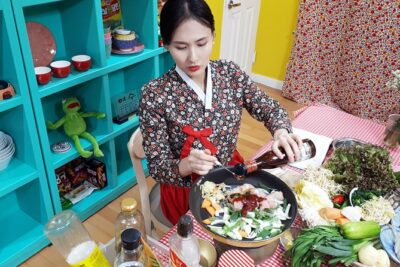
Local Home Korean Cooking Class & Market Adventure in Seoul
Read our review →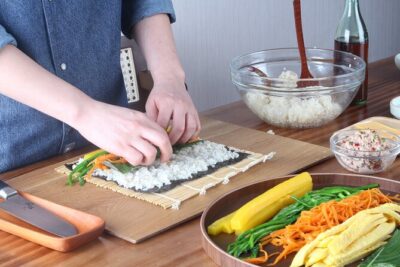
Master Korean traditional cooking with a Kimchi chef
Read our review →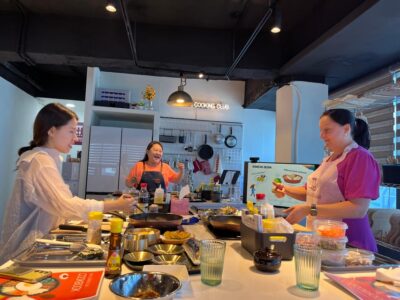
Seoul: Kimchi Dishes Cooking Class with Wine Pairing
Read our review →
Seoul: Experience Korean Cooking in Modern Hanok Kitchen
Read our review →
(Seoul) Korean Cooking Class with a Professional Chef
Read our review →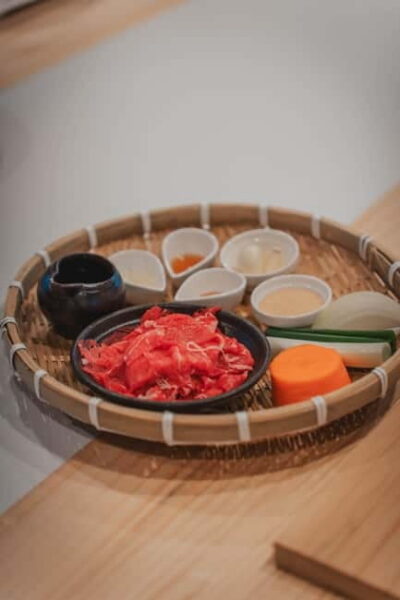
Seoul: Korean Cooking Class with Local Grocery Shopping
Read our review →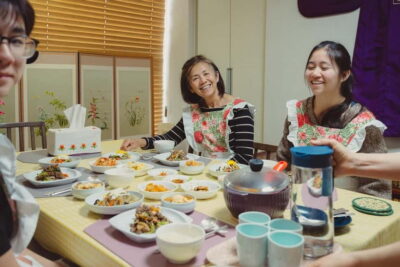
Seoul: Authentic Korean Cooking Class and Market Tour
Read our review →This kitchen also appears in