
Review · KYOTO
Kyoto: Cooking class, learning how to make authentic sushi
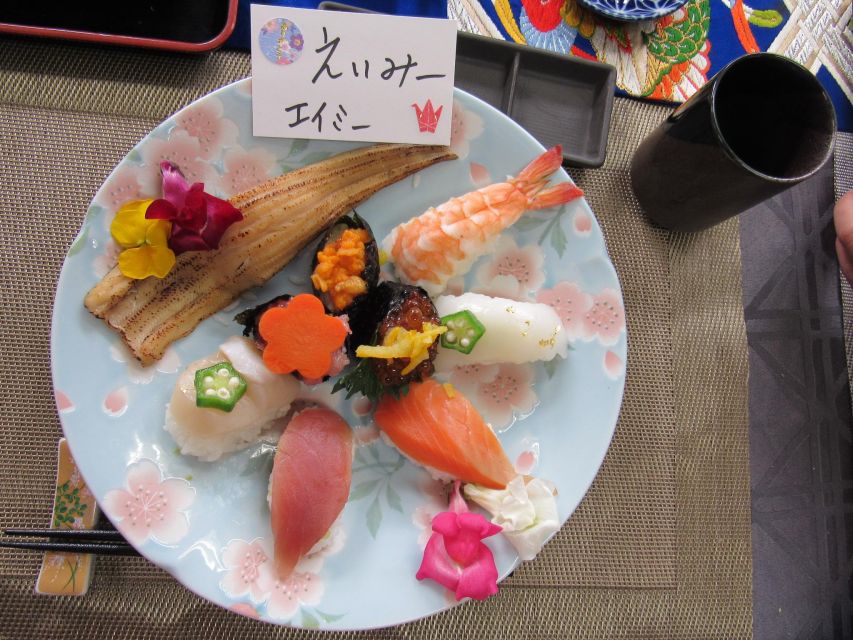
The most appealing part of this Kyoto class is that you do not simply watch a chef work. You prepare the sushi yourself, starting with shari, the vinegared rice that gives sushi its balance. You then shape the rice and finish it with toppings that may include premium fatty tuna and sweet red shrimp.
I like the happi coat rental, which gives the class a clear Japanese character without asking you to buy or pack special clothing. I also like the practical setup: ingredients are pre-cut, so beginners can focus on technique rather than knife work. The drawback is value. At $113 per person for 90 minutes, the class may feel expensive if you want a broad cooking lesson rather than a short introduction with eight sushi pieces and a simple roll.
Key points at a glance
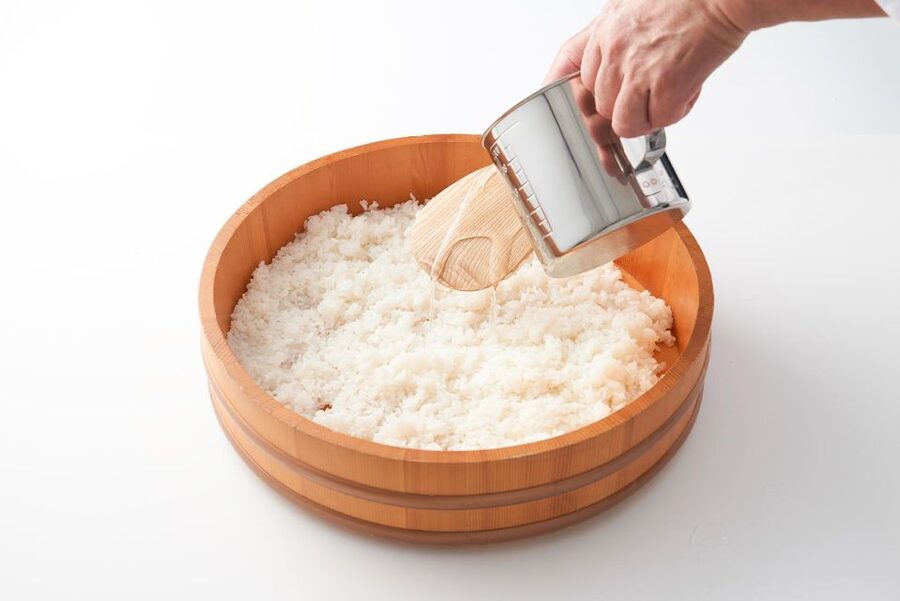
- Start with sushi rice: You learn how to mix freshly cooked rice with specially blended sushi vinegar, including the correct mixing technique.
- Make and eat your own sushi: The hands-on portion includes eight pieces of sushi, with a simple roll also described as part of the practical work.
- Wear a traditional happi coat: You can choose from several rental garments for a more distinctly Japanese setting.
- Suitable for many diets: Vegetarian, vegan, Muslim-friendly, allergy-conscious, non-raw, and gluten-free options are available.
- Finish with a certificate: A graduation ceremony and completion certificate give the short class a tidy ending.
- Plan for stairs: The building has no elevator, though staff can help older or disabled participants use the stairs.
Starting near Takeda Station
The class takes place in southern Kyoto, near Takeda Station on the Kintetsu or Subway Line. From the station, use the west entrance, take a city bus, and get off at the stop in front of Puls Plaza.
The final walk has a few turns, so I would keep the directions handy rather than rely on a quick glance before leaving the station. Go down the street from the bus stop, turn right at the first corner, then turn left at the first corner after that. The school will be on your right.
This is not a class you casually add between two central Kyoto sights without checking your route. You need to allow time for the train, bus, and short walk. The good news is that the building is close to public transportation, so you are not being sent far into an isolated area.
The class lasts 90 minutes. Starting times depend on availability, so check the schedule before planning the rest of your day. Since the class is held in all weather, rain does not normally change the plan. A wet-weather visit simply makes the public transportation route more useful.
More Sushi Making Classes around Kyoto:
- Kyoto: Authentic Sushi Making Cooking Lesson
★ 5.0 · 103 reviews - Sushi Making Osaka! Popular Sushi Class in Japan!
★ 5.0 · 500 reviews - Tokyo Tsukiji Fish Market Tour and Sushi Making Lesson
★ 5.0 · 390 reviews
Choosing a happi coat before the lesson
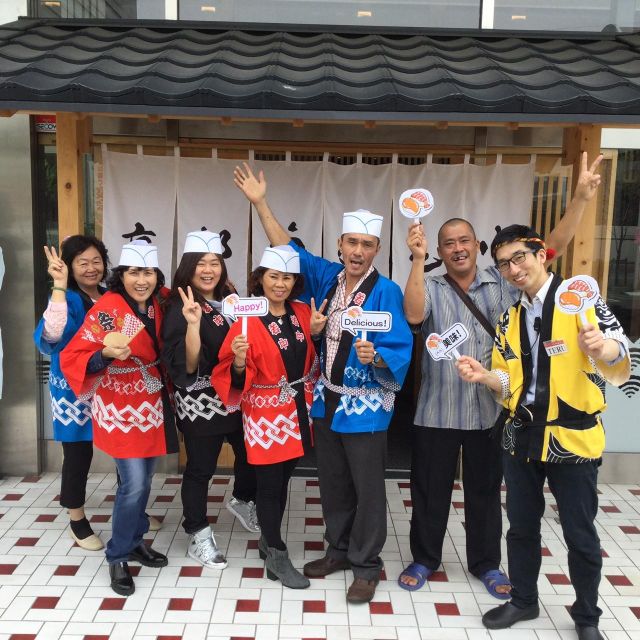
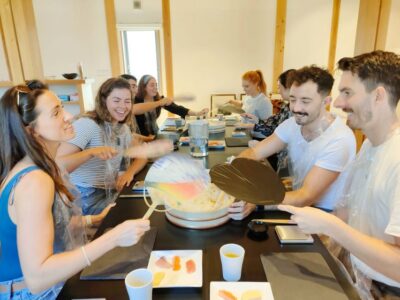
One of the first pleasures is putting on a happi, the traditional Japanese coat provided for the class. Several kinds are available, and you can choose the one you prefer.
This is a small detail, but it changes the feeling of the activity. You are not just sitting at a table in ordinary sightseeing clothes. The garment gives the lesson a ceremonial touch and makes the souvenir photographs more fun. It also helps mark this as a cultural activity rather than a standard cooking demonstration.
The clothing is rented and included in the price. You do not need to bring anything special for this part. Smoking indoors is not allowed, and pets are not permitted, though assistance dogs are allowed.
The class also introduces Japanese spirits. That phrase refers to the Japanese character and traditions woven into the sushi-making session, not necessarily to an alcoholic drink. Drinks are not included, so do not count on a beverage as part of the $113 price.
Learning the first essential: shari
The lesson begins with sushi rice, known as shari or sumeshi. This is an important choice. Many quick sushi classes rush directly to shaping and decorating, but the rice is the foundation of the dish.
You mix freshly cooked rice with a special blend of sushi vinegar. The instructor explains that there is a trick to mixing it properly. The aim is to combine the vinegar without turning the rice into a wet, heavy mass.
For you, this is likely the most useful technique to take home. Sushi toppings get the attention, but poorly seasoned or badly mixed rice can spoil the whole piece. Even if you never make restaurant-style sushi again, learning how seasoning is folded into warm rice gives you a better sense of what you are eating in Japan.
The English-speaking instructor teaches in English or Japanese, and the class is designed for beginners. Ingredients are already cut, which keeps the pace friendly and removes one of the harder jobs for first-time cooks.
That preparation also has a limit. If your main goal is to learn professional fish preparation, ask about it at the start. The class can provide fish-cutting instruction if you request it, but it is not automatically the central part of the 90-minute lesson.
Shaping nigiri and making a simple roll
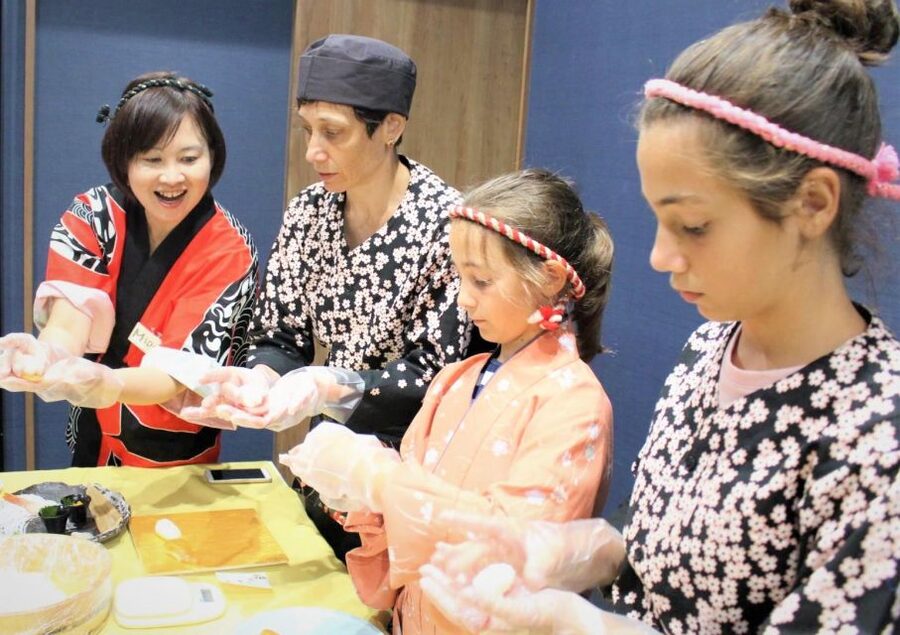
Once the rice is ready, you move on to the sushi itself. The practical work includes eight pieces of sushi. One account of the class describes eight nigiri and one very simple roll, so you should expect a compact introduction rather than a large meal or a full menu of sushi styles.
Nigiri is a good choice for a short lesson because it exposes the relationship between rice, topping, and hand pressure. Too much pressure makes the rice dense. Too little leaves the piece unstable. The class gives you a chance to make those adjustments under instruction instead of only watching someone else do it.
The simple roll adds a second format without making the class overly technical. It gives you a quick contrast between hand-shaped nigiri and sushi built around a filling and outer wrap.
The topping selection can vary with the season. Possible ingredients include gourmet extra-fatty tuna and fresh red shrimp with a sweet, creamy quality. Green onion, ginger, and other additions are available, and you can choose your favorites.
That seasonal variation is worth keeping in mind. You may not receive every ingredient shown in promotional photographs, and the exact fish selection can change. This is normal for a food class built around fresh ingredients, but it is important if you book mainly for one particular topping.
More cooking classes around Kyoto:
- Ramen Cooking Class at Ramen Factory in Kyoto
★ 5.0 · 1,937 reviews - Kyoto: Ramen Cooking Class at a Ramen Factory with Souvenir
★ 4.9 · 532 reviews - Kyoto: Ramen, Gyoza, and Onigiri Cooking Class
★ 5.0 · 445 reviews - Kyoto: Japanese Washoku Bento Small Group Cooking Class
★ 5.0 · 380 reviews
Eating what you prepared
The best payoff comes at the end of the hands-on work, when you eat the sushi you made yourself. The included portion is eight pieces, with the simple roll described as part of the class experience.
This will satisfy you as a tasting and a light meal, but I would not book it as a substitute for lunch or dinner. Drinks are not included, and warm udon, tempura, tofu, pork shabu-shabu, and other Japanese food are optional extras rather than part of the base price.
That distinction matters when you compare the cost with other Kyoto food activities. At $113, you are paying for instruction, ingredients, clothing, the cultural setting, photos, and the certificate as well as the food. If you judge the price only by the amount you eat, it is not a bargain.
I find the value easier to understand if you want a structured activity with a clear result. You get to make the food, eat it, take photographs, and leave with a certificate. If you prefer a long meal with many dishes, a restaurant or a broader food tour will likely give you more food for the money.
Dietary needs and ingredient requests
The class can accommodate vegetarian, vegan, and Muslim-friendly menus. Allergy requests, non-raw choices, gluten-free options, and other adjustments are also available.
You should communicate your needs before the class or as early as possible. The available menu may depend on the ingredients and the request, so a specific dietary preference should not be left until the last moment.
The availability of non-raw sushi is especially useful for anyone who does not eat raw fish but still wants to join a sushi-making session. The same applies to people with allergies or gluten restrictions. The supplied information does not promise a particular replacement ingredient, so ask what can be prepared for your date.
There are no special infant meals. Children under three are not suitable for this activity, and the class is better suited to older children who can follow instructions and handle food at a table.
A short lesson with a friendly pace
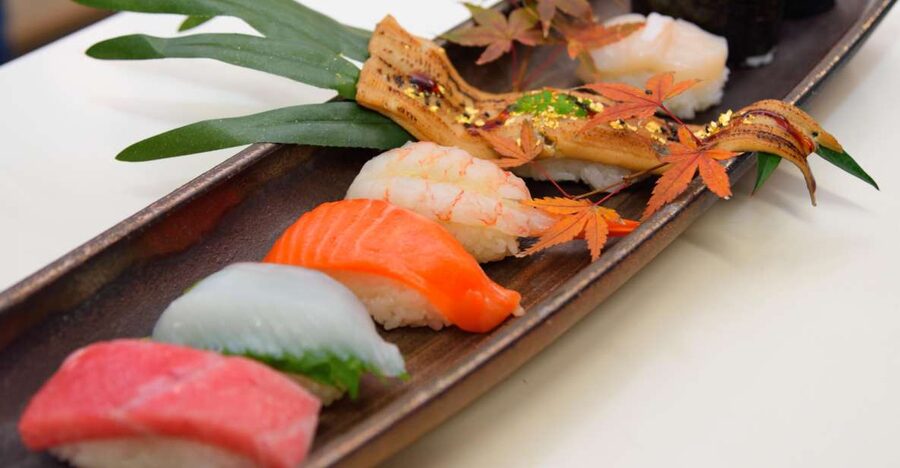
The class is presented as lively and welcoming, with an English-speaking instructor and Japanese instruction also available. The pre-cut ingredients keep the session moving and make it approachable for people who have never made sushi.
I would describe the teaching level as introductory. You learn the core steps, make a modest number of pieces, and get a taste of the method. You do not spend the session studying advanced knife skills, rice aging, fish sourcing, or many different rolling styles.
That simplicity can work very well for a first visit to Japan. You can join without cooking experience, make something recognizable, and finish within 90 minutes. It is also a manageable activity for a busy Kyoto schedule.
On the other hand, experienced home cooks may want more depth. One participant found the content basic and felt the amount of hands-on variety did not fully match the price. I would take that criticism seriously if you already make sushi or want a technical workshop.
Ask about fish cuts if that is your priority. The school is willing to address the request, but the standard format focuses on sushi assembly rather than a full fish butchery class.
Certificate, photos, and the graduation finish
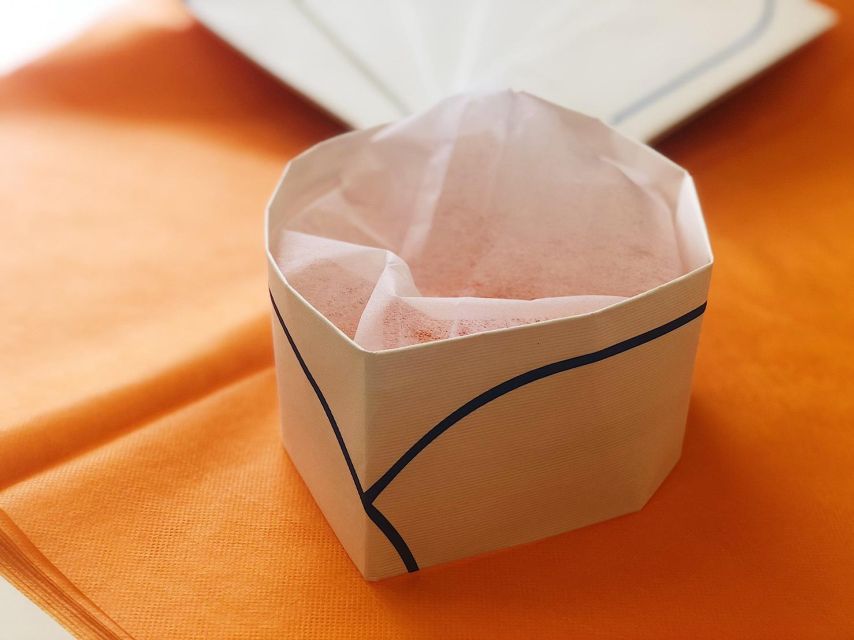
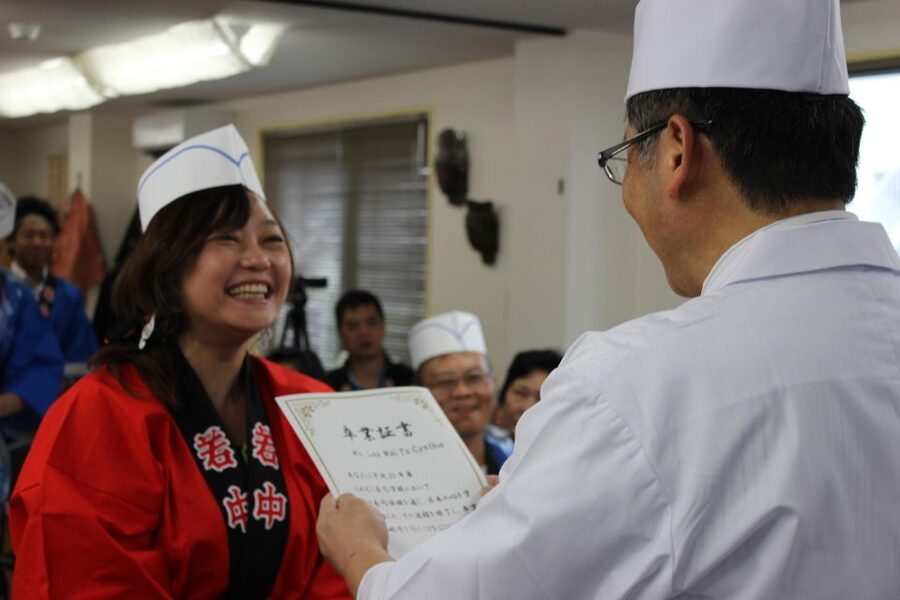
At the end, you receive a certificate of completion during a small graduation ceremony. The certificate will not turn you into a professional sushi chef, but it is a pleasant souvenir and gives the class a sense of completion.
Souvenir photography is included as well. This is useful if you want a photograph of yourself in the happi coat while making or presenting the sushi. It also means you can keep the moment without spending the whole class trying to take pictures yourself.
The ceremony may feel a little playful, but that is part of the appeal. This is not a serious chef-training course. It is a short, social experience built around a Japanese food skill, a traditional garment, and a finished plate.
The warm response to the atmosphere, food, and staff is worth noting. The strongest praise centers on the friendly people, enjoyable mood, and tasty sushi. That suggests the human side of the class is one of its safer strengths, even if the lesson itself is not especially advanced.
Access, stairs, and practical comfort
The activity is described as wheelchair accessible, but the building has no elevator. Staff can help elderly or disabled participants go up the stairs.
That combination makes it important to contact the provider before booking if you use a wheelchair or have difficulty with stairs. Accessibility support is available, but the lack of an elevator may still affect how comfortable the visit is.
The school is near public transportation, and the activity runs in any weather. Pets are not allowed except for assistance dogs, and smoking indoors is prohibited.
Free cancellation is available up to 24 hours in advance for a full refund. You can also reserve and pay later, which helps if your Kyoto schedule is still changing. These policies are useful, but the bigger planning issue is the location near Takeda rather than central sightseeing districts.
Who will enjoy this class most
I would choose this experience for a first-time sushi maker who wants a clear, guided activity. It also fits couples, families with children over three, and small groups looking for something more active than another temple visit.
It works particularly well if you enjoy taking photographs and like the idea of wearing a happi coat. The completion certificate gives children and casual cooks a concrete souvenir, while the sushi itself provides an immediate reward.
The class is also a good option for mixed dietary groups. Vegetarian, vegan, Muslim-friendly, non-raw, gluten-free, and allergy-conscious arrangements mean that one person’s restrictions do not automatically rule out the activity for everyone.
I would be more cautious if you are a serious sushi enthusiast. The 90-minute format is short, the ingredients are pre-cut, and the standard lesson appears to cover a small number of preparations. Ask in advance about fish cutting if you want more technical content.
Is $113 a fair price?
At $113 per person, the class is not cheap. The food alone does not justify the price for everyone, especially since you receive only eight pieces of sushi and drinks are extra.
The cost makes more sense when you count the full package: an English-speaking instructor, the sushi lesson, ingredients, traditional clothing, topping choices, photographs, Japanese cultural elements, and a certificate ceremony. You are paying for a short activity and a memory, not just a plate of food.
I would call it fair for someone who values participation and wants a polished, easy introduction. I would call it poor value for someone seeking a large meal or advanced culinary training.
The final decision comes down to your purpose. If you want to understand how sushi rice works, shape your own nigiri, wear a happi coat, and leave with a certificate, the price can be reasonable. If you mainly want to eat excellent sushi, spend the money at a respected sushi counter instead.
Should you book it?
Book this class if you want a friendly, beginner-level introduction with a strong cultural touch. The pre-cut ingredients reduce stress, the dietary flexibility is useful, and the combination of happi clothing, sushi making, photographs, and a certificate gives the 90 minutes a clear shape.
Think twice if you expect a long, technical cooking workshop. The lesson is basic, the sushi portion is modest, and $113 is a serious price for a short session. I would contact the school before booking if you need fish-cutting practice, strict dietary substitutions, or help with stairs.
For the right person, this is a pleasant way to make a small Japanese food memory instead of only taking one home in a restaurant box.
FAQ
Where is the sushi-making class held?
It is held near Takeda Station in Kyoto, on the Kintetsu or Subway Line. You leave from the west entrance, take a city bus, get off at the stop in front of Puls Plaza, and follow the stated turns to the school.
How long does the activity last?
The class lasts 90 minutes.
How much does the experience cost?
The listed price is $113 per person.
Is the class taught in English?
Yes. Instruction is available in English and Japanese, and an English-speaking instructor is included.
What food is included?
The class includes eight pieces of sushi. A simple roll is also described as part of the practical sushi-making work.
Can vegetarians and vegans take part?
Yes. Vegetarian, vegan, and Muslim-friendly menus are available.
Can I request non-raw or gluten-free food?
Yes. Allergy, non-raw, gluten-free, and other options are available. You should communicate your needs in advance.
Is the building wheelchair accessible?
The activity is described as wheelchair accessible, but the building has no elevator. Staff can help elderly or disabled participants use the stairs.
Can I cancel for a refund?
Yes. You can cancel up to 24 hours before the activity for a full refund. Reserve-now, pay-later booking is also available.
New cooking classes around Kyoto
- Nishiki Market Food Tour with Cooking Class★ 4.9 · 42 reviews
- Kyoto Udon & Tempura Cooking Class with Professional Chefs★ 3.8 · 3 reviews
- Kyoto: Morning Japanese Bento Cooking Class★ 5.0 · 149 reviews
- Kyoto: Wagashi (Japanese sweets) Cooking near Fushimiinari★ 5.0 · 40 reviews
- Kyoto Home Cooking Class &Supermarket tour near Fushimiinari★ 5.0 · 31 reviews
- Kyoto: Authentic Sushi Making Cooking Lesson★ 5.0 · 103 reviews
- Kyoto: Afternoon Japanese Izakaya Cooking Class★ 4.9 · 241 reviews
- Authentic Japanese Cooking Experience at Izakaya restaurant★ 4.2 · 5 reviews
Kyoto Cooking Classes, side by side.
Ramen Cooking Class at Ramen Factory in Kyoto
Read our review →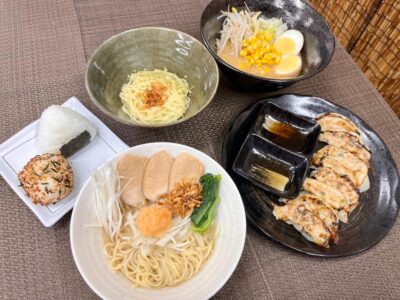
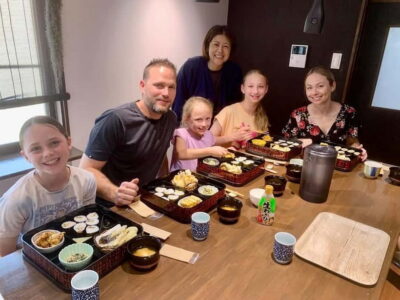
Kyoto: Japanese Washoku Bento Small Group Cooking Class
Read our review →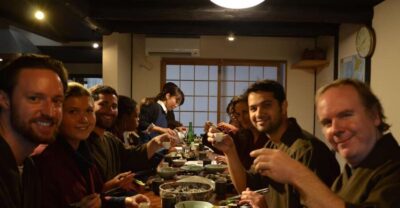
Kyoto: Afternoon Japanese Izakaya Cooking Class
Read our review →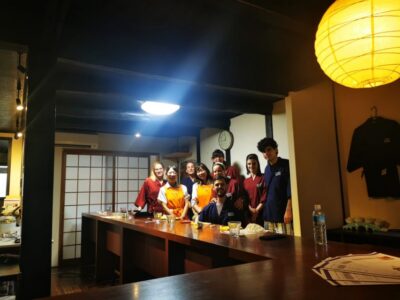
Near Fushimiinari: Kyoto Home Cooking Class & Supermarket tour
Read our review →
This kitchen also appears in